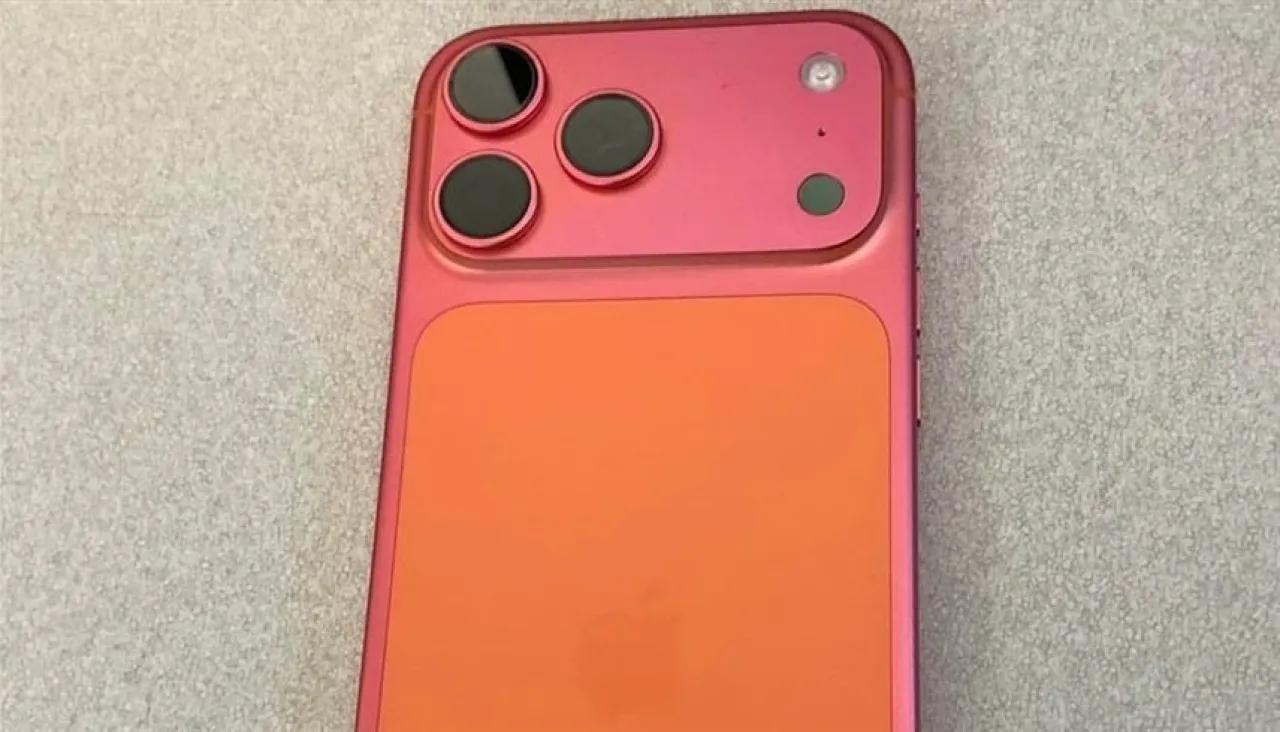
Khaberni - A number of the new "iPhone 17 Pro" users have complained about the color of the orange version changing to shiny pink, which has sparked widespread controversy on social media platforms around the world over the past few days, amid questions about the cause of this sudden change.
According to a report published by the "Daily Mail," several users shared photos on social media platforms showing the change in the color of the device, which affected the metal edges and the rear camera area, while the glass part of the phone remained in its original color.
An Indonesian user commented on her phone, which has noticeably changed color, wondering, "Could the phone have already oxidized? It's only been a few weeks since the series was released?" and another user posted pictures of the "iPhone 17 Pro Max" showing that the orange color completely turned into pink.
As reported by the publication quoting experts, it is likely that the cause behind the phenomenon is oxidation of aluminum or the effect of ultraviolet rays on the outer coating layer. Eliot Lee, head of the products department at the "Comparison and Recycling" website, confirmed that these rapid color changes in the phone are "very concerning," especially since they appeared only a few days after purchasing the device.
Lee explained that the metals on the users' hands might react with the phone's aluminum surface, causing this unusual pink discoloration, and urged users to use a protective cover that entirely covers the metal frame to avoid any chemical reaction or damage to the phone's exterior appearance.
He added that such cosmetic defects can significantly impact the phone's resale value, saying: "Even a minor change in color can lead to a lower evaluation of the device, thereby reducing the offer value when exchanged or sold."
So far, Apple has not issued any official comment regarding the reports of the color change, at a time when the debate is escalating on social media between those who consider it a "clear manufacturing defect" that requires compensating the users, and those who see it as a natural result of the interaction of metal materials with environmental factors such as air, moisture, or sunlight.