Khaberni - In recent months, warnings have escalated in Britain about the possibility of a major war breaking out in Europe within the next three or four years, along with an increase in "Russian hostile activities" on the continent, and some experts believe that the country may already be in a state of "grey war" with Moscow, such as sabotage of facilities and infrastructure, cyber attacks, and disinformation campaigns.
This was included in an article by British political writer and journalist Jane Merrick on the "iPaper" site, where she began with a call from Lord Harris, chair of the British "National Preparedness Committee" – to the government and society – to enhance military and civilian readiness in anticipation of a widespread European conflict.
Harris explained that Britain is "not sufficiently prepared" compared to other countries, not just to face wars, but also to handle other risks such as climate disasters and attacks on infrastructure.
What the preparations include
Merrick clarified that the proposed readiness includes storing essential supplies, and securing family needs for 72 hours in case of power outages or attacks on infrastructure.
Harris called for making the government’s emergency website more clear and active, through advertising campaigns on radio, television, and social media, and even introducing lessons on "emergency preparedness" in school curricula, similar to teaching children traffic safety rules.
Merrick stated that Lord Harris referred, in a military context, to the "Strategic Defense Review" published last June, which included the "Defense Readiness Act" that grants the government powers to mobilize reserves and summon industrial sectors to support local defense efforts.
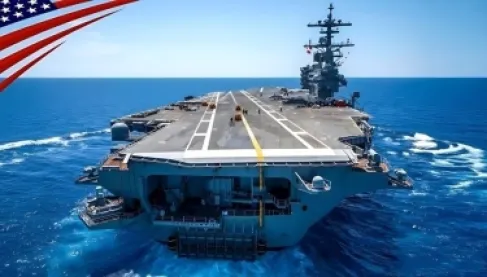
According to the article, the British Ministry of Defense confirmed that the country is entering "a new era of combat readiness", announcing the largest increase in military spending since the end of the Cold War, including a £6 billion investment in ammunition and the establishment of new factories to strengthen self-capabilities.
"Hostile activities"
Conversely, the writer drew attention to what she called the unprecedented escalation of Russia's hostile activities against Europe, referring to the ongoing war in Ukraine with no end in sight, and increased intrusions of drones and Russian fighters into the airspace of European countries such as Poland, Estonia, and Denmark, as well as the increase in sabotage and cyber attacks.
Merrick reported that Sir Ken McCallum, head of the British internal security service MI5, confirmed that Moscow is "determined to cause chaos and destruction around the world", stating that security services thwarted a continuous series of surveillance and spying attempts against individuals that Moscow considers enemies last year.
The writer also conveyed a warning from international security expert Natia Seskuria that what is happening is a continuation of a hybrid war that Russia has been waging against the West for years, involving cyber sabotage, spreading misinformation, and attempts to influence elections and internal policies of Western countries.
NATO test
Seskuria added that Russia is currently escalating its aggression to test the cohesion of NATO, and to demonstrate its ability to expand the war outside Ukraine, which is of great concern to Eastern European countries.
She believes that Moscow is playing "a very dangerous game" as it tests the limits of NATO's patience but does not want a direct confrontation with NATO due to the current weakness of its military.
Nevertheless, Seskuria affirmed that if Russia continues to violate Western countries' airspace, the alliance might find itself compelled to shoot down Russian planes, which would be considered an act of war that could ignite a comprehensive confrontation.
Highly tense phase
The experts conclude, according to the article, that Europe is on the threshold of a highly tense phase, where Russia's "grey war" intersects with a British and Western race to enhance defense capabilities.
Merrick concludes by stating that while London seeks to strengthen its defensive and civilian infrastructure in preparation for any emergency, analysts see the possibility of the continent slipping into open warfare as closer than it has been in over 60 years.