Khaberni - Doctors have warned that high blood pressure is not only a concern for adults but can also affect children, where it is known as the silent disease, increasing the risk of various diseases including heart diseases, often without showing noticeable symptoms, pointing out six symptoms that may indicate an emergency high blood pressure condition.
They emphasized that regular screenings could help with early detection of high blood pressure and necessary interventions, regardless of age, as maintaining a healthy blood pressure level is very crucial for overall health.
High blood pressure means that the heart is pumping blood into the arteries (blood vessels) that in turn circulate it throughout the body.
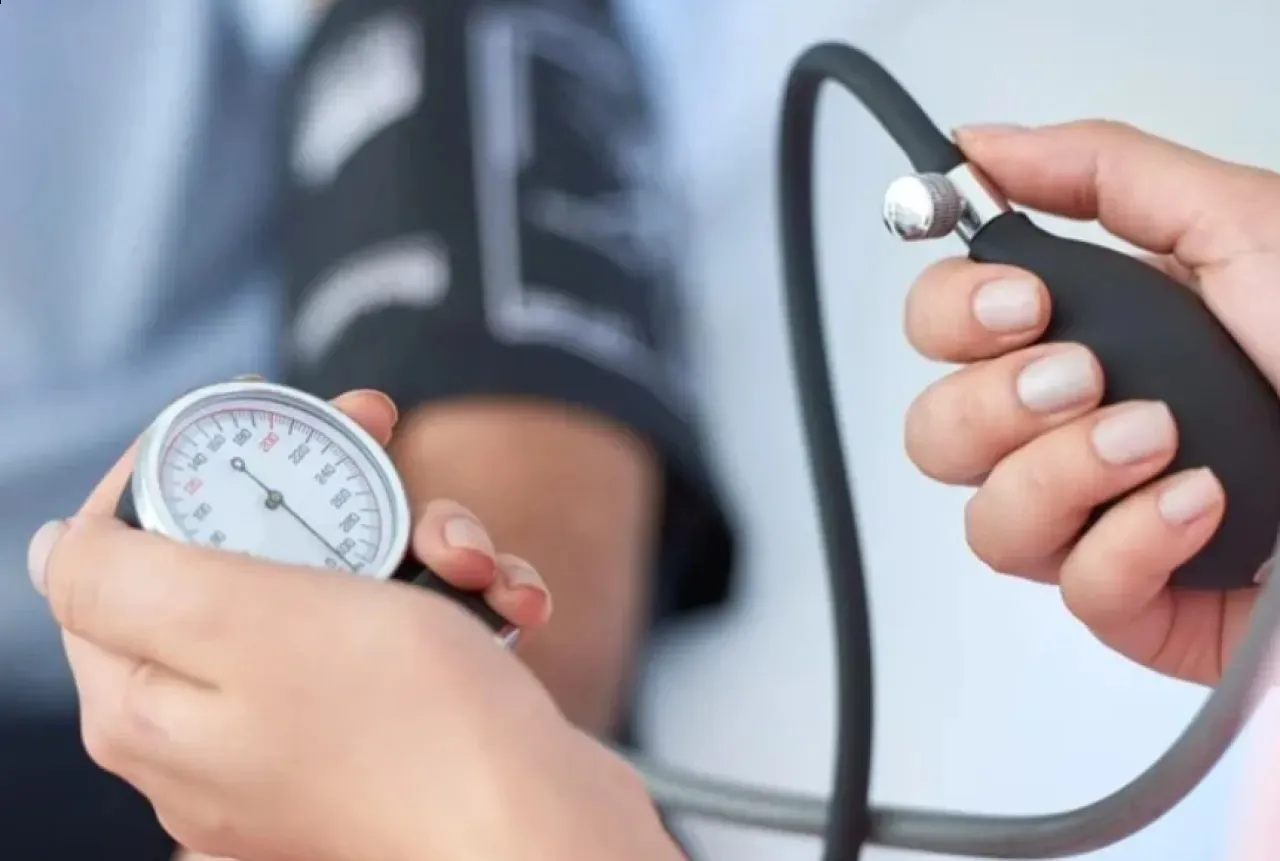
Blood pressure is the force or pressure generated by the circulating blood inside the arteries when the heart beats. High blood pressure, also known as hypertension, refers to a condition where the pressure inside the arteries is higher than normal levels.
Pediatric specialist, Dr. Farah Al-Sheikh Bakro, stressed the importance of continuous blood pressure monitoring for children.
She said: "The problem lies in the lack of clear symptoms of high blood pressure in childhood, but this does not necessarily mean that the child is healthy, leading to negligence of wrong behaviors that lead to high blood pressure, the most important of which are foods containing large amounts of table salt and not engaging in any physical activity."
She mentioned that there are two types of high blood pressure in children, the more common one being idiopathic, and the other being secondary hypertension which arises due to underlying diseases or conditions, adding that blood pressure patterns can vary during childhood and adolescence, and some children may overcome high blood pressure as they age, but in some cases, the condition may persist.
She continued, "Treatment of high blood pressure in children involves following a comprehensive approach that includes lifestyle changes such as reducing excess weight, trying to maintain a healthy weight, adding physical exercises to daily life, reducing screen time to encourage more activity, adhering to a healthy diet, and avoiding all forms of smoking, especially since e-cigarettes have become a common issue even among children," noting that in some cases, lifestyle modifications alone may not be sufficient, requiring healthcare providers to prescribe blood pressure medications.
She added: "A severe increase in blood pressure in children can cause cerebral involvement, neurological dysfunction, in addition to risks of heart diseases and stroke, or face long-term complications, hence, early detection and management of high blood pressure is crucial to manage it through lifestyle changes and medications when necessary to prevent long-term health complications, while dietary recommendations for treating the condition include increasing consumption of fresh fruits and vegetables, and other high-fiber foods, reducing salt intake, avoiding sugary drinks and saturated fats, which are found in fast food and preseasoned foods."
On his part, pediatric specialist, Dr. Hani Al-Hindawi, said: "High blood pressure does not give specific symptoms, therefore, it is necessary to pay attention to blood pressure levels in children and teenagers, especially those who are obese, or those who have certain signs that may indicate a problem in blood pressure such as constant headaches, or dizziness, or nosebleeds, or unexplained vomiting, or those experiencing rapid heartbeat, or chest pain, and shortness of breath, in addition to problems in absorption or memory.'
He added: "Overweight and poor nutrition are one of the main causes of primary high blood pressure in children and teenagers, alongside a number of risk factors including consuming salty foods regularly, drinks high in caffeine, smoking of all types or being continuously exposed to it (passive smoking), along with high levels of sugar and fats in the blood, and some genetic factors."
He stressed the importance of paying attention to blood pressure levels in children and teenagers, particularly those who are obese, or those who show certain signs that may indicate a problem in blood pressure, such as constant headaches, or dizziness, or nosebleeds, or unexplained vomiting, or those experiencing rapid heartbeat, or chest pain, and shortness of breath, in addition to problems in absorption or memory, pointing out that the incidence of high blood pressure among children in the UAE is mostly congenital resulting from heart or kidney problems.
Pediatric specialist, Dr. Aya Abdelnasir, noted that high blood pressure in childhood has become more common, and that this increase can be attributed to obesity, especially abdominal obesity, as global studies show that less than 2% of children with a normal weight have high blood pressure, compared to 5% of overweight children and 15% of children with severe obesity.
She pointed out that rapid weight gain in infants and young children is a risk factor for developing high blood pressure later in adulthood, as studies have found that rapid increases in body mass index during the first six months after birth and in pre-school years may lead to higher systolic blood pressure in mid-childhood, regardless of the size at birth.
Doctors reported that chronic high blood pressure in children increases the risk of various diseases, including cardiovascular diseases, heart attacks, heart failure, stroke, kidney diseases, eye problems and vision loss, and cognitive changes, among others, hence monitoring readings regularly, early detection and treatment are crucial in preventing long-term health complications.
Heart Diseases
An American study indicated that high blood pressure in children is a harbinger of the likelihood of developing heart diseases in later stages of life.
The results of the study, published in the Journal of the American Medical Association, showed a strong association between high blood pressure in childhood and the likelihood of early death from heart diseases.