Khaberni - Translation: Haider Madanat
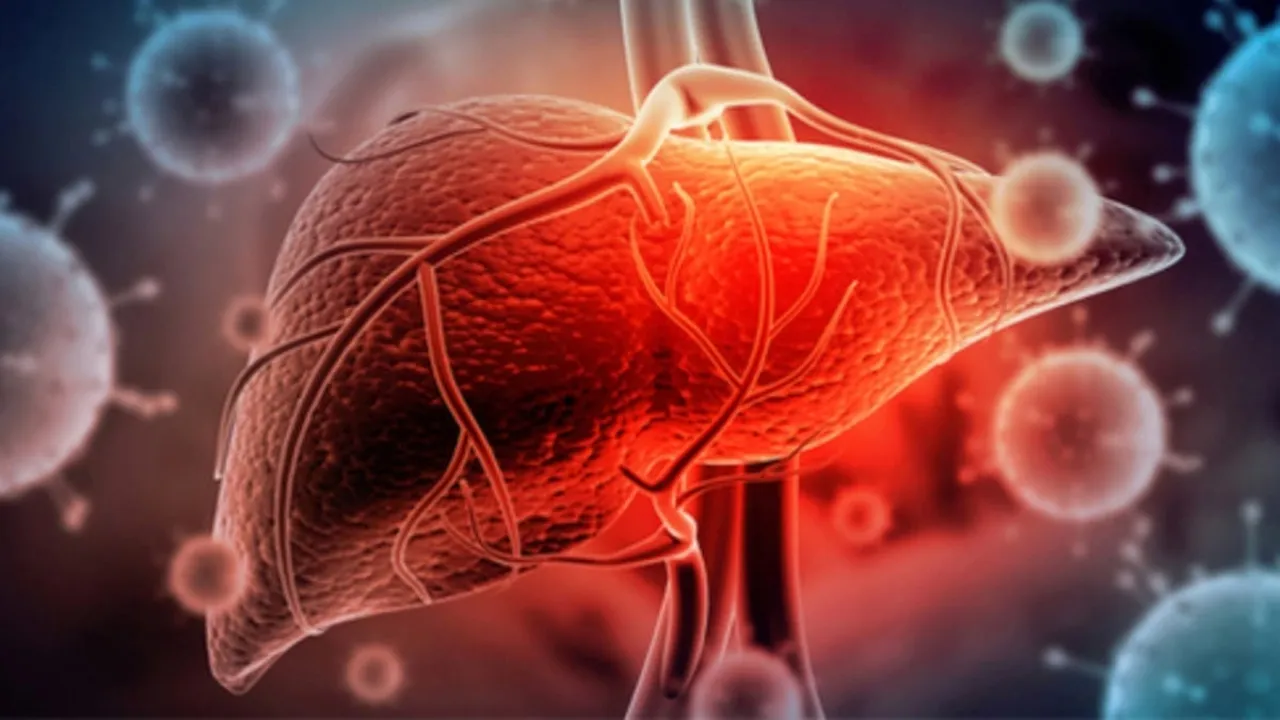
More than 1.5 billion people worldwide suffer from chronic liver diseases, most of which have no available treatment. Scientists from the University of Rhode Island have developed microscopic biodegradable particles that are a thousand times smaller than the diameter of a human hair. These particles can search for damaged liver cells, adhere to them, and thereby prevent them from enhancing the progression of the disease. The scientists report in the journal Biomaterials that a healthy human liver can regenerate most of its functions even when 80% of it is damaged, largely thanks to special cells that protect it from infections and harmful substances and produce proteins that enhance the anti-inflammatory response in other liver cells. However, in cases of liver disease, these cells begin to function inversely by producing proteins that increase inflammation and stimulate other liver cells to form scar tissue, known as liver fibrosis. They say, the particles are designed to stop this harmful process, where their surface recognizes these proteins, adheres to them, and prevents them from affecting other liver cells, as well as enhancing their positive anti-inflammatory behavior. The treatments also resist inflammation as they decompose. They say that the achievement will have very broad applications in the treatment of many human diseases.