Khaberni - The causes and types of headaches vary, as well as the location of their impact on the head. In this article, we explain to you what a headache behind the head is, its causes and symptoms, and how to treat it in detail.
What is the headache behind the head?
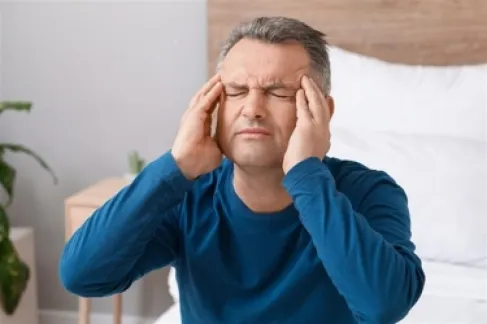
Headache behind the head refers to tension headache, which is a mild pain or pressure around the forehead or the back of the head and neck. It feels like a tight band wrapped around the head, and is often called psychological headache, being one of the most common types of headaches in adults.
There are two types of headaches behind the head:
- Occasional tension headache: occurs less than 15 days a month.
- Chronic tension headache: occurs more than 15 days a month.
These headaches can last from 30 minutes to several days, and the occasional type usually starts gradually, often in the middle of the day.
Chronic tension headaches come and go over a longer period of time, and the pain may increase or decrease throughout the day, but is always present.
Note; Despite the headache accompanying tension headaches, they usually don't prevent you from your daily activities, and don’t affect your vision, balance, or strength.
The location of the pain
This type of headache can cause:
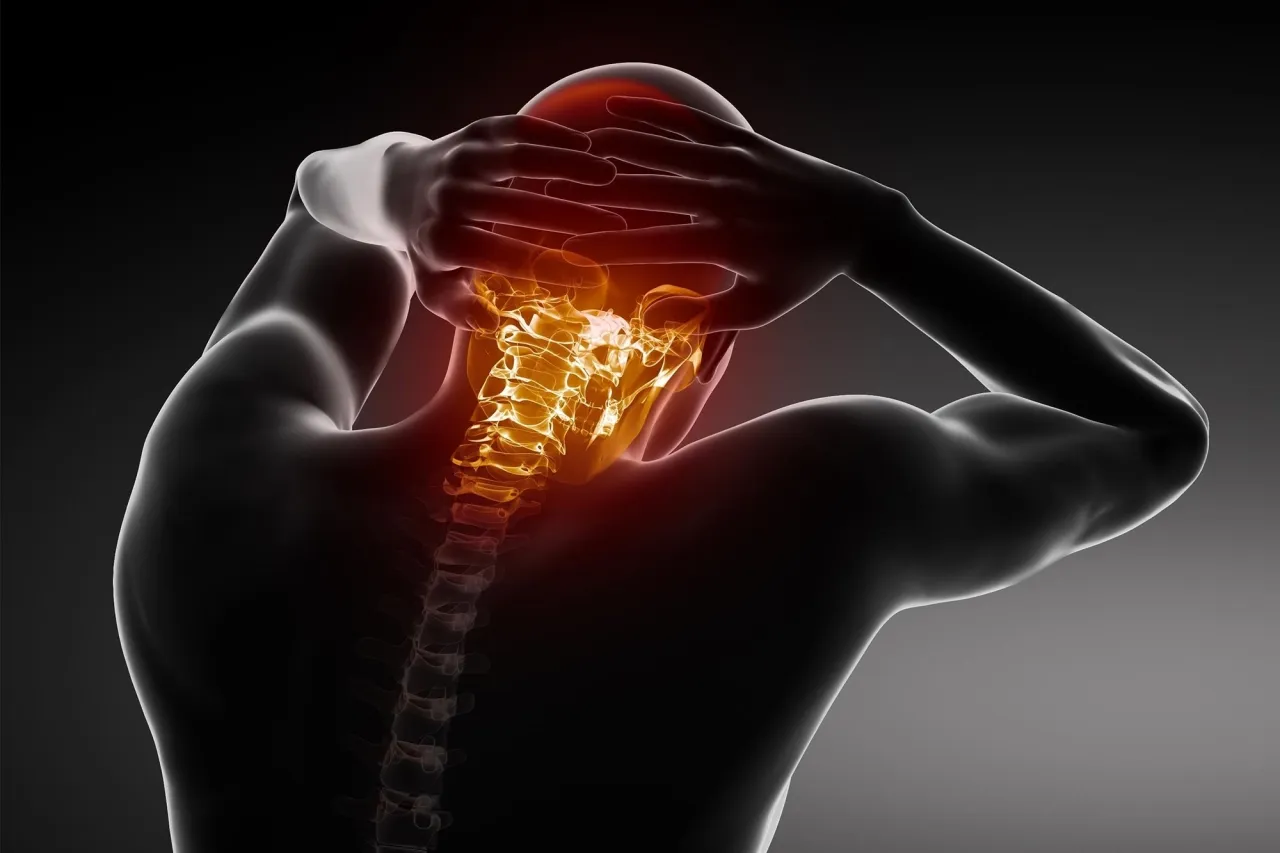
- Pain that starts at the back of the head and spreads forward.
- Causes consistent pressure on the entire head.
- Pain that affects both sides of the head equally.
- Pain and stiffness in the neck, shoulder, and jaw muscles.
Who is prone to headaches behind the head?
- About 80% of adults experience tension headaches or headaches behind the head occasionally, and about 3% suffer from chronic daily tension headaches. Women are more susceptible compared to men.
- Most people with occasional tension headaches do not suffer more than once or twice a month.
- Many people with chronic headaches usually last more than 60-90 days.
What are the symptoms of headaches behind the head?
Some common symptoms include:
- Mild, moderate pain, or pressure in the front, upper, or sides of the head.
- Headache that begins later in the day.
- Sleeping problems.
- Severe fatigue.
- Irritability.
- Trouble concentrating.
- Mild sensitivity to light or noise.
- Muscle pain.
Note; Unlike migraines, tension headaches do not cause other neurological symptoms, such as muscle weakness or blurred vision. They usually don’t cause severe sensitivity to light or noise, or stomach pain or nausea.
What are the causes of headaches behind the head?
There is no specific cause for the headaches behind the head, as most often they result from stress, whether from work, school, family, or other relationships.
Occasional tension headaches typically occur due to a stressful situation or the accumulation of stress, while daily stress can lead to the chronic type.
This type of headache, which is non-specific, occurs in some people due to tension and muscle strain in the back of the neck and scalp, which can stem from:
- Not getting enough rest.
- Poor body posture.
- Emotional or mental stress, including depression.
- Anxiety.
- Fatigue.
- Hunger.
- Low iron levels.
- Alcohol use.
- Caffeine.
- Jaw or dental problems.
What is the treatment for headaches behind the head?
It is best to treat tension headaches when they first start and the symptoms are still mild. The goal of treatment is to prevent further episodes and relieve any pain, and to prevent headaches behind the head, you can:
- Take medication.
- Avoid causes or triggers.
- Manage stress or learn relaxation techniques.
- Practice biofeedback.
- Try home remedies, such as hot baths, ice packs, or improving body posture.
- Often, over-the-counter pain relievers are the first treatments recommended by doctors for treating tension headaches, and those with the chronic type may use some of these medications to prevent headaches.
- If over-the-counter pain relievers do not help, the doctor may recommend using a stronger prescription or muscle relaxants, and certain medications can prevent you from getting tension headaches such as antidepressants, blood pressure medications, and antiseizure medications.