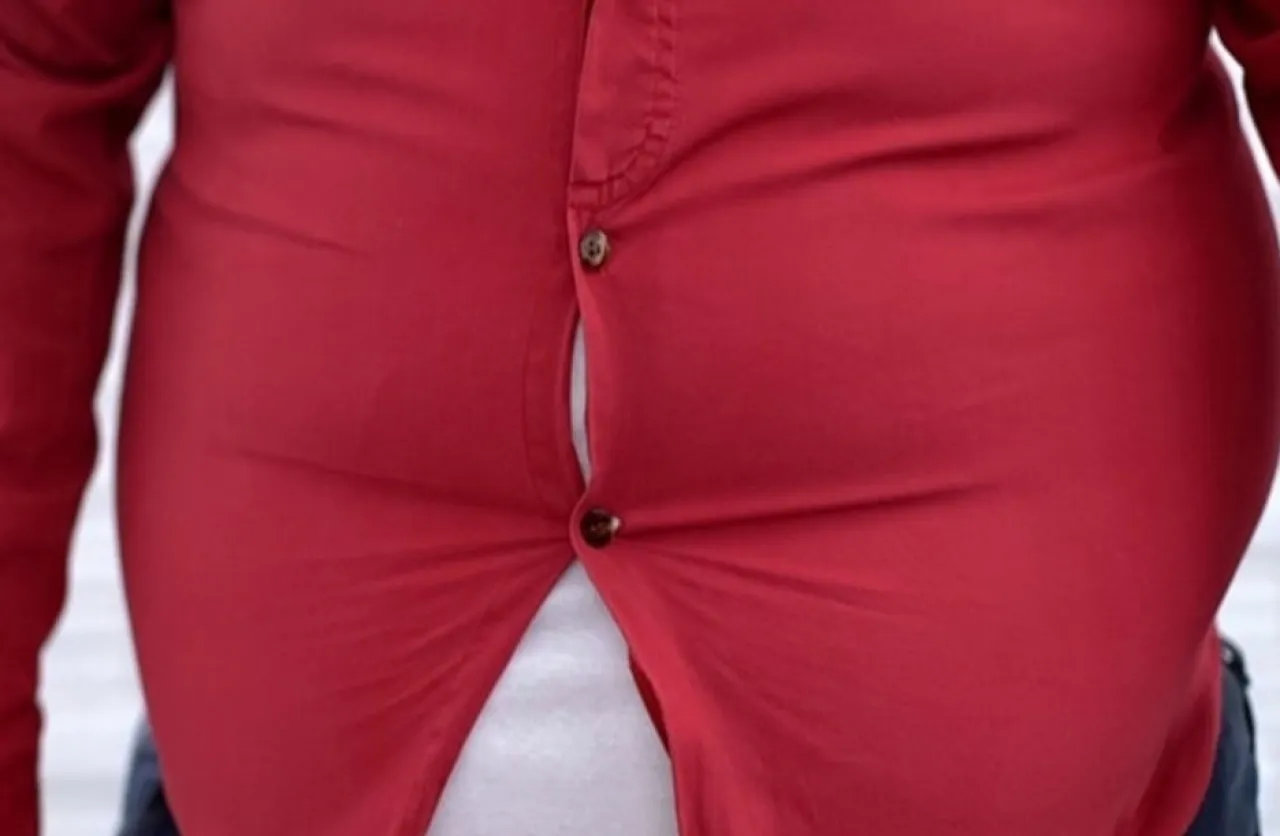
Khaberni - Although many prefer wearing tight clothing for its modern look or their feeling of confidence, doctors warn that wearing it excessively can lead to multiple health problems affecting breathing, heart, bones, digestive system, and even hormonal balance.
Impact on Breathing and Metabolism Rate
Experts indicate that wearing tight clothing around the chest or body, such as tight sports bras, can limit lung movement and affect the basal metabolic rate, which is the speed at which the body burns calories, especially during exercise.
Changes in Posture and Muscular Disorders
Tight clothing around the waist or legs can press on the skeletal system and nerves, leading over time to pelvic misalignment and spinal stiffness. Additionally, the pressure around the waist increases the burden on the knees when moving from sitting to standing, which can cause long-term issues.
Pressure on Nerves and Limb Numbness
Nerve compression, medically known as meralgia paresthetica, leads to symptoms such as numbness or tingling in the limbs, or a feeling of heat or cold on the skin without touch, and the pain increases with walking or standing.
Digestive System Disorders
Tight clothing that compresses the abdomen increases internal pressure, which can exacerbate acid reflux and cause poor digestion or constipation, as well as worsening symptoms of irritable bowel syndrome or inflammatory bowel diseases.
Impact on the Brain and Heart
Studies suggest that corsets and shapewear may alter brain waves due to discomfort, although these effects are often temporary. Continuous pressure may also increase heart rate, placing additional strain on the cardiovascular system.
Hormonal Disorders
For men: Tight underwear may raise the temperature of the testicles, reducing sperm count due to increased FSH hormone.
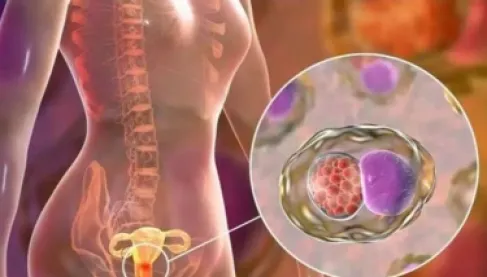
For women: Wearing tight clothing regularly can lead to irregular menstrual cycles and increase the risk of fungal infections due to reduced ventilation.
Reduced Blood Flow to Internal Organs
Constant pressure around the abdomen can hinder blood flow to the internal organs, and over time may cause disorders or damage.
Tips for Safe Wearing
Doctors advise ensuring that tight clothing does not hinder breathing or free movement, while monitoring the following signs:
Persistent pain or pressure
Numbness or tingling in the limbs
Difficulty in movement
Signs of redness or pressure on the skin