Khaberni - Nutrition experts reveal that feeling bloated after eating is not always linked to what we eat or drink, but may be due to multiple factors inside the body, some related to hormones or stress.
Dr. Emma Derbyshire, a public health nutritionist, clarifies that bloating is not a single condition, but comes in five different forms, which are:
Gas bloating resulting from foods like beans and carbonated drinks.
Water retention bloating that may appear on the face or limbs.
Hormonal bloating associated with menstrual cycle fluctuations.
Food allergy bloating resulting from intolerance to certain ingredients.
Bloating caused by slow digestion.
She adds that the reasons may overlap, as fluid retention, constipation, anxiety, and even eating too quickly, can all lead to a feeling of bloating, noting that intestinal gases remain the most common cause.
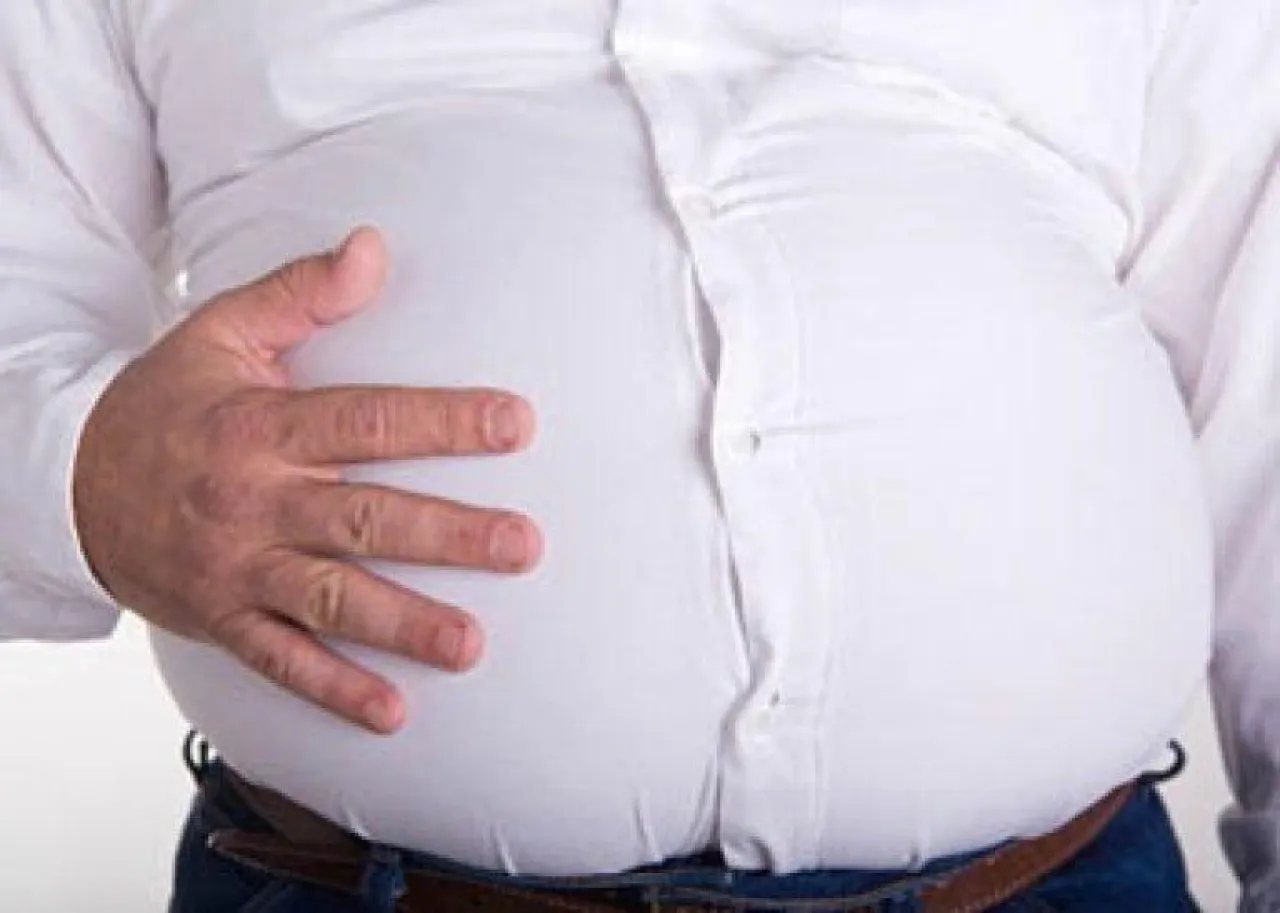
Bloating usually manifests as a feeling of fullness and pressure in the abdomen, with a temporary increase in its size to the extent that clothes may feel tight despite a stable weight. In severe cases, the abdomen may make annoying noises or there may be repeated burping and gases.
As for women, Derbyshire confirms that hormonal changes during the menstrual cycle cause water retention and a craving for fatty foods, leading to temporary bloating. Swelling may also appear on the face or ankles after long trips or taking certain medications.
Regarding the foods that cause bloating, the expert notes that the list is not limited to beans, but includes:
Legumes like chickpeas and lentils.
Carbonated drinks and dairy products.
Foods high in gluten and artificial sweeteners.
Fatty fast foods and spicy foods.
She advises reducing the intake of cruciferous vegetables such as cabbage, cauliflower, and Brussels sprouts to decrease gas, stressing that the solution is not to completely abstain but to moderate and be aware of what causes symptoms for each individual.
For quick relief methods, Derbyshire recommends:
Drinking enough water even in cases of fluid retention.
Drinking peppermint tea to soothe the stomach.
Engaging in light walking or applying warm compresses.
Avoiding tight clothing that presses on the abdomen.
She encourages recording dietary habits and monitoring the timing of bloating to accurately identify its triggers, pointing out that bloating episodes may increase during holidays or events due to overeating.
In the context of long-term prevention, the expert advises combining attention to gut health and stress management, through deep breathing practices, reducing alcohol, staying hydrated, eating small regular meals, alongside daily physical activity.
In cases where bloating persists for a long time or recurs frequently, Derbyshire emphasizes the need to consult a doctor, especially if accompanied by symptoms such as abdominal pain, fever, blood in the stool, or loss of appetite, as these signs may indicate deeper health issues.