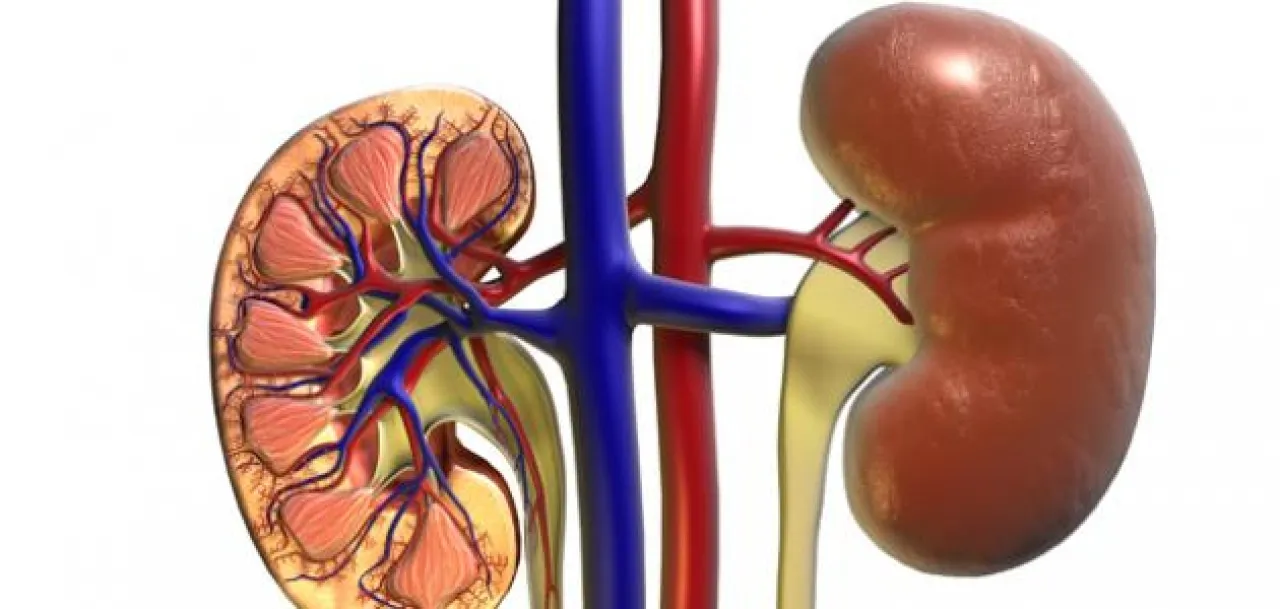
Khaberni - The kidneys play a vital role in the body, primarily filtering blood from toxins and expelling them through urine. They are roughly the size of a fist and some people suffer from diseases that require urgent tests, including kidney function tests, which we will learn about in this article.
What is a kidney function test? In addition to filtering blood toxins, the kidneys also help control levels of water and various essential minerals in the body. Moreover, they are essential for the production of:
Vitamin D.
Red blood cells.
Hormones that regulate blood pressure.
If your doctor believes your kidneys may not be functioning properly, you may need to undergo kidney function tests to ensure your health; these are simple blood and urine tests that can identify issues in your kidneys.
You may also need to undergo kidney function tests if you have other conditions that could harm your kidneys over time, such as diabetes or high blood pressure. These tests can help doctors monitor your health condition.
Indications for a kidney function test include symptoms that may indicate a problem with your kidneys and require examination:
Blood in urine.
The need to urinate frequently.
Difficulty starting urination.
Pain during urination.
Swelling in the hands and feet due to fluid accumulation in the body.
While one of these symptoms may not signify anything serious, when they occur simultaneously, they indicate that your kidneys are not functioning properly, and here comes the role of kidney function tests which can help determine the causes of these symptoms.
Types of kidney function tests and their results Your kidney function tests will involve your doctor requesting a series of tests that can estimate the glomerular filtration rate (GFR) which tells your doctor how quickly your kidneys remove waste from your body.
Urine analysis checks for protein and blood in urine; there are many possible reasons for protein in urine, not all related to disease; infection increases urinary protein, and also heavy exercise.
Your doctor may wish to repeat this test after a few weeks to see if the results are similar. Your doctor may also ask you to provide a sample for urine collection around the clock. This can help determine how quickly a waste product called creatinine is being cleaned from your body (creatinine is a byproduct of muscle tissue breakdown).
How the urine analysis works A comprehensive file – Serum creatinine blood test This blood test checks if creatinine is accumulating in your blood; kidneys usually filter creatinine completely from the blood, and therefore, an elevated creatinine level indicates a problem with the kidneys.
According to the National Kidney Foundation (NKF), a creatinine level higher than 1.2 milligrams/deciliter (mg/dL) for women and 1.4 mg/dL for men is a sign of a kidney problem.
What are the detailed results of the creatinine analysis? Blood Urea Nitrogen (BUN) The blood urea nitrogen (BUN) test also checks for waste or toxins in your blood, and BUN tests measure the amount of nitrogen in your blood (urea nitrogen is a byproduct of protein breakdown).
However, not all elevated BUN tests are due to kidney damage. Common medications, including large doses of aspirin and some antibiotics, can also increase BUN.
It's important to tell your doctor about any medications or dietary supplements you regularly take before undergoing kidney function tests, as you may need to stop some medications for several days before the test.
The normal range for blood urea nitrogen is between 7 and 20 mg/dL. A higher value may indicate various health problems.
The Glomerular Filtration Rate (GFR) test estimates how well your kidneys filter waste and toxins and determines the toxin rate by looking at specific factors such as:
Test results, specifically creatinine levels.
Age.
Gender.
Race.
Height.
Weight.
Any result less than 60 milliliters/minute/1.73 square meters can be a warning sign of kidney disease.
How is the kidney function analysis done? Kidney function tests typically require a 24-hour urine sample and a blood test.
Here's what you need to know about the conditions of kidney function analysis through urine, and the most important steps:
A 24-hour urine sample is a creatinine clearance test, which gives your doctor an idea about the amount of creatinine your body expels in one day.
On the day you start the test, urinate in the toilet as usual when you wake up, and for the rest of the day and night, urinate in a pot or special container provided by your doctor to keep the sample.
Keep the container closed and chilled during the sample collection process, make sure to label the container clearly and inform other family members why it is in the fridge.
In the morning of the second day, urinate in the container when you wake up. This completes the 24-hour collection process.
Follow your doctor's instructions on where to deliver the sample; you may need to return it either to the doctor's office or the lab.
Blood samples
BUN and creatinine blood tests require blood samples taken in a lab or doctor's office.
The technician who draws the blood will tie an elastic strap around your upper arm, making the veins stand out so it's easier to take the sample.
The technician will then clean the area above the vein, then insert a hollow needle through your skin and into the vein to draw a blood sample. The drawn blood will be placed in a tube and sent for analysis.
You might feel a pinch or sharp sting when the needle enters your arm, but the procedure will only take a few seconds.
The technician will apply gauze and bandages over the sampling site after the test. You might notice bruises over the next few days at the sampling site but don't worry, you won't experience severe or lasting pain.
After kidney function tests, your doctor will focus on treating the underlying condition if the tests show early kidney disease. He may prescribe medications to control blood pressure if the tests indicate hypertension, and might also suggest lifestyle and dietary modifications.
If you have diabetes, your doctor may advise you to see an endocrinologist. This type of doctor specializes in metabolic diseases and can help ensure you get the best possible control over your blood glucose levels.
If there are other reasons for abnormal kidney function tests, such as kidney stones or excessive use of pain relievers, your doctor will take appropriate measures to manage those disorders.
Abnormal test results mean that you might need to undergo regular kidney function tests in the coming months to help your doctor monitor your condition.