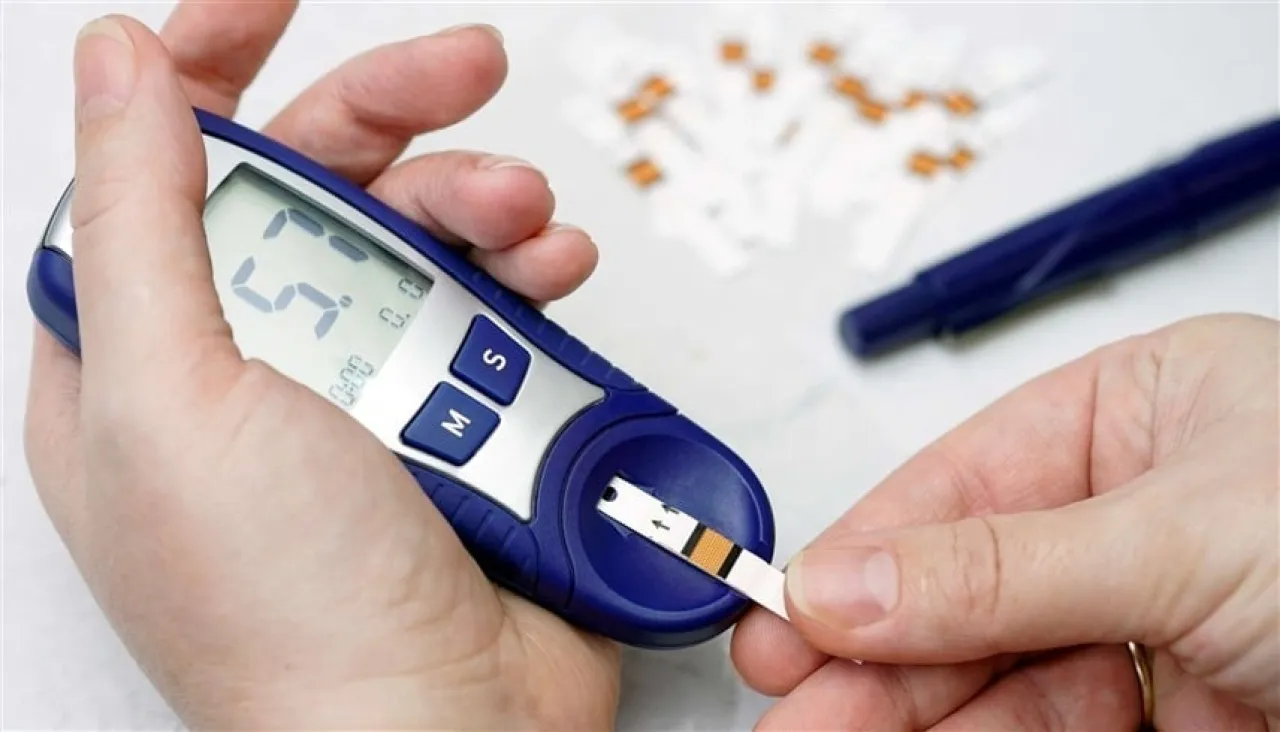
Khaberni - Blood or urine test results may come back abnormal, but this can happen due to subtle errors, whose impact is not anticipated, some due to habits that seem harmless, such as wiping the fingertips with alcohol-soaked wipes before measuring blood sugar can significantly alter the results.
According to "Daily Mail," Dr. Pamela Tambini, the medical director at "Engage Wellness" in Massachusetts, warns against using cotton swabs or creams or moisturizers "might obscure cervical cells or alter the pH of the area, and make detecting any abnormalities or the human papillomavirus difficult."
Glucose Test
The Mayo Clinic recommends waiting until the skin is completely dry after using alcohol pads before measuring glucose.
Medical reports indicate that "alcohol swabs contain a substance or sugar that interferes with the glucose meter, leading to falsely high results."
Nail Polish
If you have recently painted your nails, it could result in an inaccurate reading in the pulse oximetry test.
The pulse oximetry test involves placing a small probe (sensor) on a finger to measure the amount of oxygen in the blood and its distribution throughout the body.
Levels below 95% are considered low, and are a potential sign of blood hypoxia, which causes headaches, difficulty breathing, rapid heartbeat, and cyanosis.
Levels below 90%, on the other hand, are considered dangerously low, indicating that vital organs are not receiving sufficient oxygen.
Dr. Tambini explains, "Dark nail polish or artificial nails absorb light from the infrared sensor in the oximetry device, leading to inaccurate readings of oxygen levels."
Also, when your hands are cold, the blood vessels constrict, reducing blood flow to the fingertips.
"Nail polish and cold hands might cause a false drop in oxygen saturation readings, possibly necessitating further unnecessary oxygen tests or treatment."
Biotin Supplements
Biotin (Vitamin B7), a popular dietary supplement for hair growth and nail health, enhances keratin production, which supports the structural integrity of hair and nail tissues.
However, high doses may interfere with immunological tests, which use antibodies to measure specific substances in the blood, urine, or tissues.
According to Dr. Tambini: "Biotin binds to test components designed to detect hormones such as thyroid or troponin, potentially distorting results, leading to false elevations or significant decreases in their levels."
Such false drops in troponin levels might lead doctors to overlook signs of a heart attack or other types of damage, while elevations might suggest a heart attack that did not actually occur.