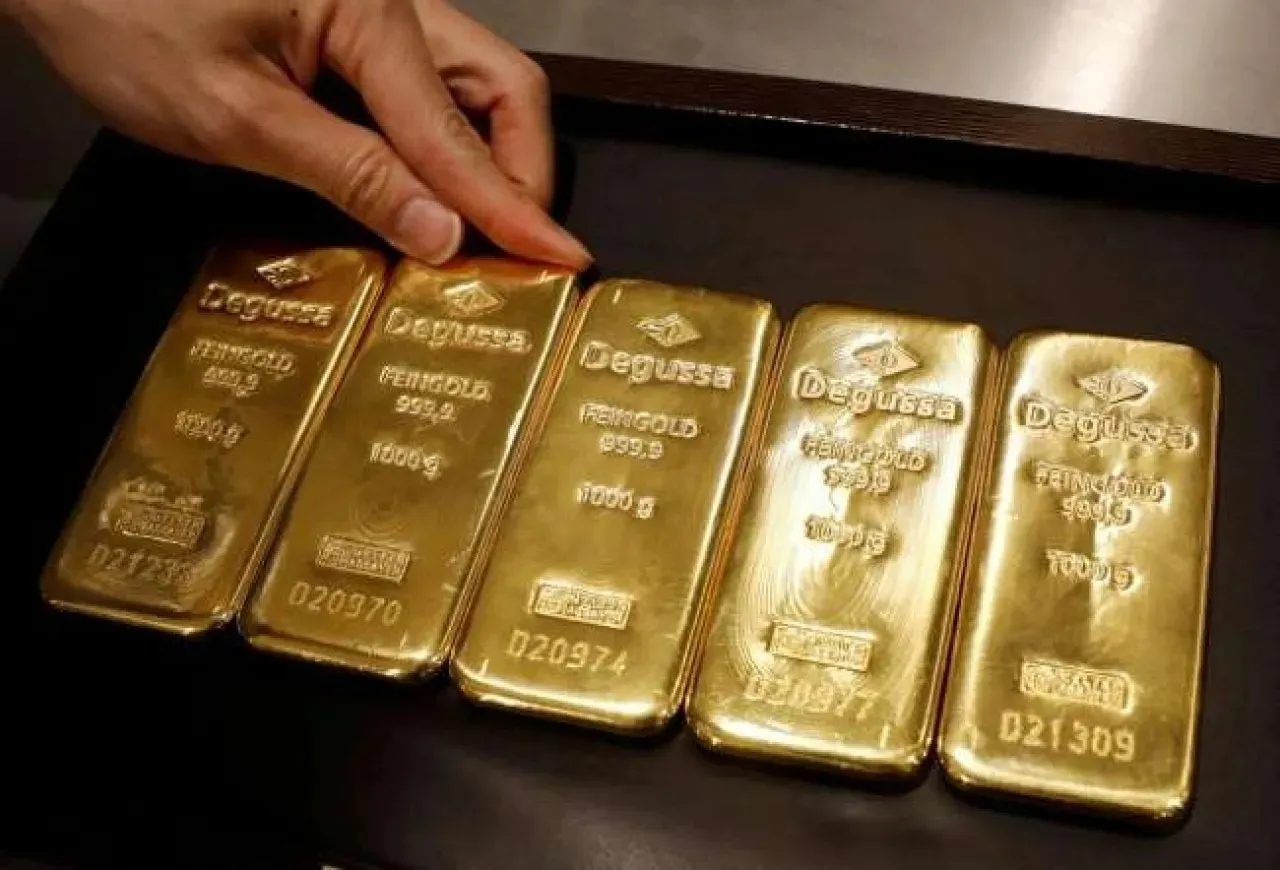
Khaberni - In a historic precedent, gold surpassed the $4,000 per ounce barrier during the current October, recording the highest level in its modern history, a rise that cannot be described merely as a speculative wave or seasonal movement, but as a structural shift in gold's position within the global financial system. This came after the convergence of two forces that never met before: central banks, which have returned to storing it as a strategic guarantee, and smart algorithms, which now treat it as a secure digital asset.
Gold no longer moves according to decisions made by individual investors or the expectations of experts as it used to; today, artificial intelligence systems in major funds are tasked with analyzing markets in fractions of a second, and convert any signal of dollar weakness or inflation rise into automatic buy orders.
This "programmed fear" has turned gold into a huge automated market, controlled by codes rather than emotions. In the past weeks alone, market indicators detected a sharp increase in the volumes of digital gold trading across online platforms, while the rates of actual bullion delivery decreased.
Central Banks
Central banks have found in gold a means to rebalance the global monetary system, moving away from the dominance of the dollar, in a scene that reshapes the map of international reserves.
During this year, China, Russia, and Turkey led an unprecedented buying wave since the 1970s, as central banks added about 244 tons of gold during the first quarter of this year, followed by additional purchases of 166 tons in the second quarter, according to data from the World Gold Council, bringing the total official purchases to historical levels approaching a thousand tons annually.
According to recent survey by the council, 95% of central banks around the world tend to increase their gold reserves over the next twelve months, at a time when their reliance on the dollar and euro as a main component of reserves has declined.
End of 2024 data indicates that gold now represents 20% of the total reserve assets of countries, surpassing the euro's share, which settled at 16%, reflecting a gradual shift towards a more diversified and balanced monetary system.
This behavior is not only linked to hedging against inflation or weak returns on debt instruments, but it also reflects a deep geopolitical shift in managing financial influence, with emerging economies striving to build robust reserves independent of the fluctuations of the American currency.
This convergence of "financial artificial intelligence" that controls the decisions of investment funds and the "monetary strategy of central banks" that is repositioning itself, has created a unique mix that pushed prices to unprecedented levels, recording gains that exceeded 50% since the beginning of the year, and reached a historic peak at 4 thousand dollars per ounce during the current October.
Digital Gold
Concurrently with this surge, transformations in financial markets are accelerating towards what is known as "Tokenized Gold," a new financial model that redefines the relationship between the metal and technology. This model is based on converting physical bullions into digital assets backed by real gold, which are recorded and traded across blockchain networks, allowing them to be divided into small units that can be bought and sold electronically with complete ease.
This transformation not only adds a new dimension of liquidity but also opens the door to a digital generation of investors who were previously unable to enter the gold market due to high costs or the complexities of actual possession. Although this formula grants unprecedented flexibility in trading, guarantees, and financing, it in return strips the gold of its physical nature and symbolic history as a tangible safe haven, turning it into a purely electronic asset that lives inside servers and moves according to codes, not according to the sound of the hammer in central bank vaults.
While financial institutions promote this model as "the future of modern gold," economists believe that liquidating the metal in this manner might strip it of its traditional aura, transforming it from a store of value into a transitory trading instrument, managed through algorithms, and responsive to digital signals rather than real economic indicators.
Ultimately, the rise of gold reveals more than just a movement in prices, but a deep vibration in the confidence in the financial world itself. Every sharp increase expresses not the strength of the metal, as much as it reflects the weakness of alternatives: currencies, markets, or even the economic vision of the future.
Gold's journey.. from Nixon's decisions to Wall Street servers
The actual rise of gold began in 1971 when the American President, Richard Nixon, announced the detachment of the dollar from gold, launching prices from 35 dollars to over 800 dollars within a single decade.
Then, the metal returned to the forefront during the 2008 financial crisis, leaping to about 1900 dollars.
In 2020, the coronavirus pandemic reignited demand, as central banks expanded printing money, pushing the price to exceed 2000 dollars.
Today, the world stands before an unprecedented leap, as gold surpassed the 4 thousand dollars per ounce mark for the first time in history, driven by a mixture of artificial intelligence, global debts, political tensions, and the search for new security in an unstable world.