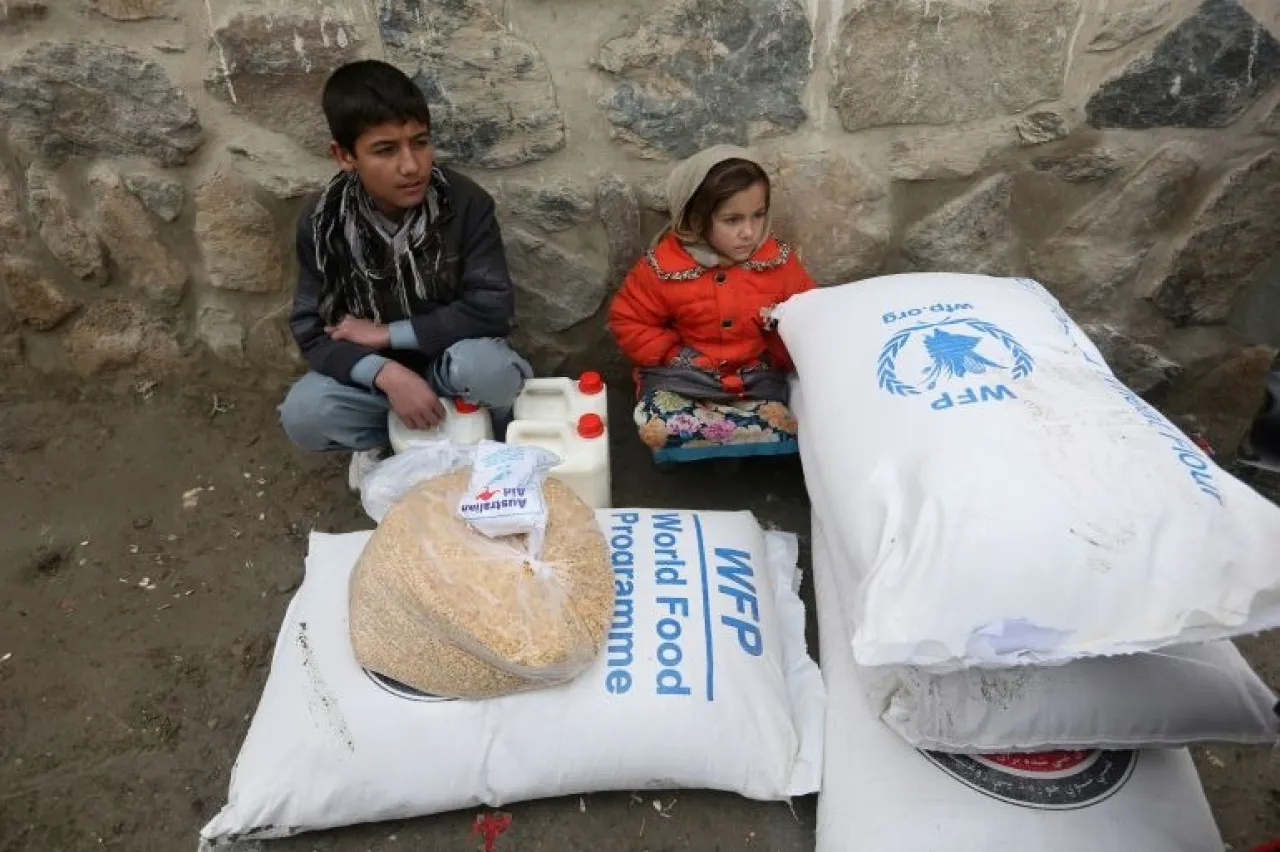
Khaberni - The World Food Programme warned today, Wednesday, that funding cuts threaten to throw 13.7 million people into the throes of the emergency phase of severe hunger worldwide.
The program explained that 6 major operations in Afghanistan, Democratic Republic of the Congo, Haiti, Somalia, South Sudan, and Sudan "are currently facing significant disturbances that will worsen by the end of the year".
A new report by the UN program stated that it "faces a significant funding cut of 40%, with expectations that it will reach $6.4 billion compared to $9 billion in 2024".
It added that "the humanitarian system is under severe pressure with partners withdrawing from front-line sites, creating a vacuum".
While not naming any particular country, it referred to a report in the "Lancet" magazine about the massive impact of American aid cuts.
Major Blow
President Donald Trump reduced foreign aid after returning to power in January, "delivering a major blow to humanitarian operations around the world".
The report stated that the areas covered by the World Food Programme have diminished, and food allocations have been reduced, adding that "life-saving aid for families in the disaster phase (i.e., phase five of the Integrated Food Security Phase Classification) is at risk, while resilience has significantly declined".
The Integrated Food Security Phase Classification is a UN-supported initiative to measure levels of hunger and malnutrition around the world.
World Food Programme Executive Director Cindy Mackin said, "The world is facing unprecedented hunger problems, and the funds needed to help us respond are utterly insufficient".
She added, "We are witnessing the collapse of the lifeline that supplies millions of people with life right before our eyes".
Hunger Map
The World Food Programme announced that only 600,000 people will receive food aid this month in the Democratic Republic of the Congo, a decrease from the expected number of 2.3 million people, while less than 10% of those in need receive assistance in Afghanistan where malnutrition rates are high.
The World Food Programme pointed out that costly airdrop operations in famine-affected areas in South Sudan are threatened by funding restrictions, while in Haiti, families receive half the program's monthly ration levels.
It stated that global hunger "has reached record levels," with 319 million people facing acute food insecurity, including 44 million people at emergency hunger levels.
The United Nations declared famine in Gaza at the end of August, while on Wednesday, the World Food Programme said that the number of people classified "in famine or on the brink of famine" had doubled in just two years to reach 1.4 million people in 5 countries.
Mackin confirmed that the rising levels of hunger not only endanger lives but also undermine regional stability and exacerbate community displacement.
She added, "We are at risk of losing decades of progress in fighting hunger".