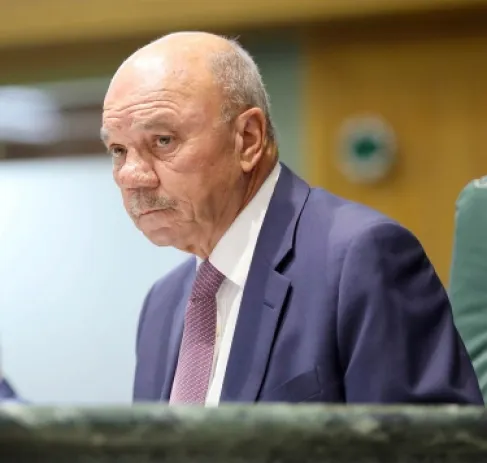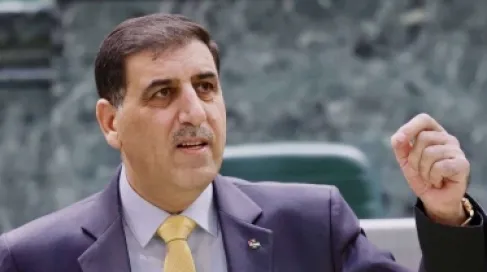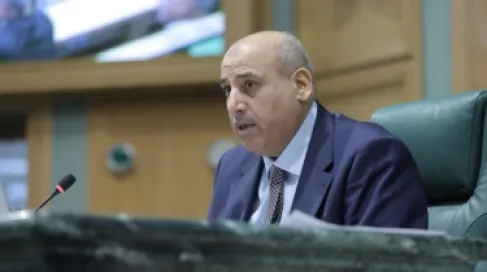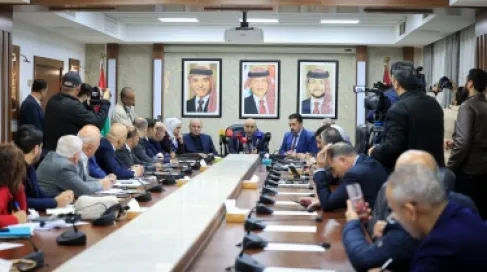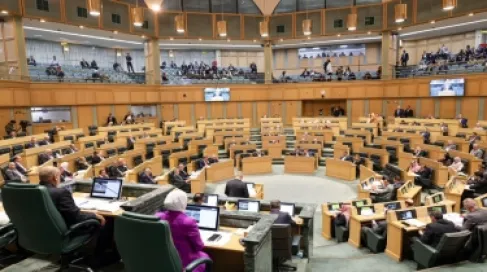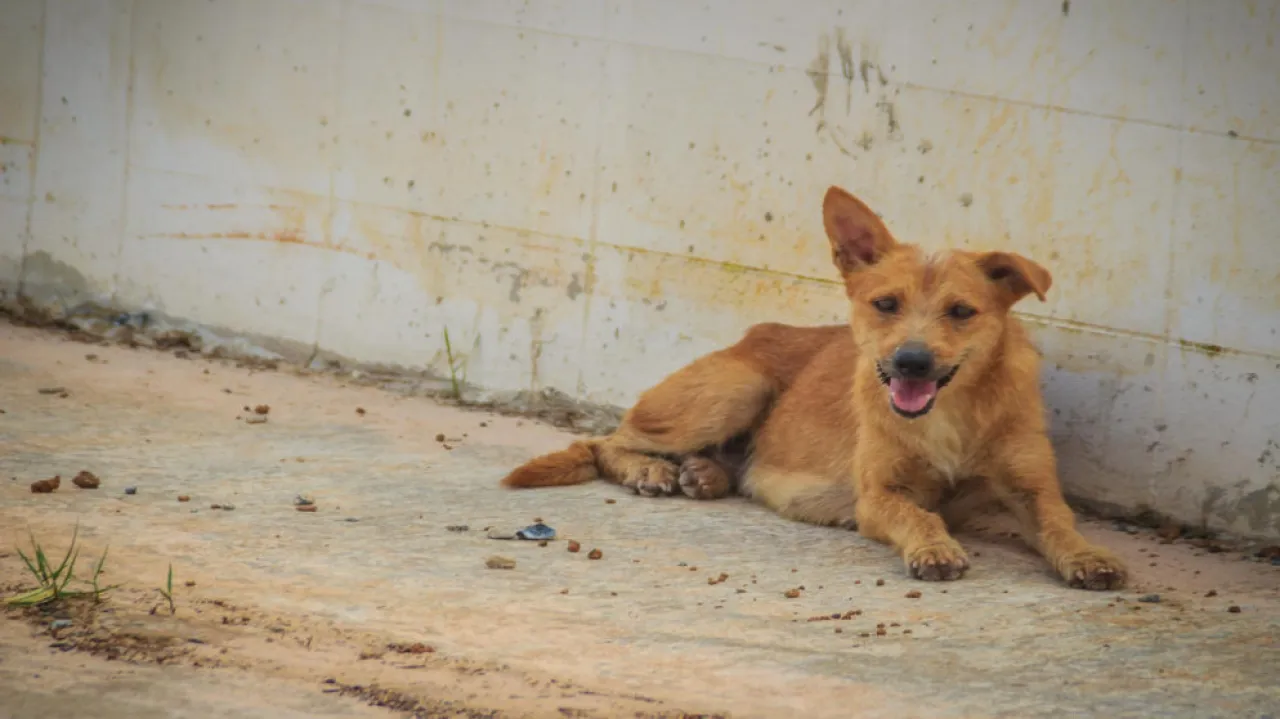
Khaberni - The Parliamentary Committee on Labor, Social Development and Population, chaired by MP Moataz Abu Romman, met on Tuesday for an extensive meeting to discuss the phenomenon of stray dogs spreading across the kingdom, its impact on public safety, and the proposed solutions to mitigate its risks.
Abu Romman stated that the committee would submit a number of proposals to the government, the most notable of which includes the introduction of a legal clause granting financial compensation of 5,000 dinars for each person who suffers a serious injury, permanent disfigurement, or disability as a result of a stray dog bite, considering this compensation a means to ensure justice and motivate relevant authorities to perform their duty in curbing the phenomenon.
During the committee meeting, which was attended by the Deputy Speaker of the House of Representatives, MP Muhammad Maraiyah, the head of the Will and Islamic Centrist parliamentary bloc, MP Khamis Atiyah, the Ministers of Local Administration Walid Al-Masri, Environment Ayman Sulaiman, Deputy Mayor of Amman and the city manager Ahmad Malkawi, and the governor representative from the Ministry of Interior, Ziad Qattarneh, along with representatives from the Ministry of Agriculture and the Princess Alia Foundation, and several civil society institutions working in animal welfare, Abu Romman added that solutions must consider the humane aspect in dealing with animals and reflect the state institutions' image in handling public issues responsibly,
Abu Romman emphasized that the spread of stray dogs has become a worrying phenomenon that threatens the security and safety of citizens in many residential areas, noting that the number of registered bite incidents reached about 5,600. He called for urgent intervention to address the problem in a civilized and humane manner, ensuring human safety while preserving environmental balance.
Abu Romman clarified that the safety of citizens must remain an absolute priority, stressing the need to develop a comprehensive national plan that integrates efforts of government entities, municipalities, and civil society institutions, within an organized and sustainable framework.
Abu Romman stressed the need to establish shelters in all municipalities in locations away from residential areas, that would manage the collection, sterilization, vaccination, and tagging of dogs, then reintroducing them to uninhabited areas. He also called for organizing collection operations through qualified staff and appropriate mechanisms, alongside implementing health and environmental awareness programs to raise community awareness on prevention and safe handling of stray animals.
In the same context, the committee adopted the proposal by MP Khamis Atiyah concerning the memorandum addressed to the Prime Minister on reconsidering the application of winter time, explaining that the issue is not just about changing the clock, but about the state's ability to protect citizens and respond to their daily needs, especially in light of the increasing dog bite accidents in the early morning hours, and the danger they pose to students and workers.
On his part, the head of the Administrative Committee, MP Mohammad Salameh Al-Ghweiri, called on the municipalities to develop field plans specific to each municipality to deal with the phenomenon, in coordination with the Ministry of Public Works to provide safety means on roads where stray dogs are prevalent, emphasizing the need to review legislation related to traffic accidents resulting from this phenomenon.
The MPs, Bakr Al-Hayseh, Firas Al-Qablan, Ahmad Shdeifat, Samer Al-Azaideh, Jameel Al-Dheisat, Talal Al-Nusour, Abdul Raouf Al-Rabihat, Bayan Al-Mahsiri, Issa Nassar, Abdul Rahman Al-Awaishah, and Khader Bani Khalid, assured that the phenomenon has become a threat to public safety and communal security, and is a daily concern for Jordanian families, especially children and the elderly, calling for long-term solutions that are far from traditional methods, ensuring sustainable problem management.
In turn, Al-Masri showcased the governmental plan to address the phenomenon, noting that the government has formed a committee from various relevant entities and put together a systematic plan spanning three years, which includes establishing shelters in various cities, collecting stray dogs and subjecting them to necessary veterinary procedures.
Al-Masri explained that the first phase includes identifying 20 locations as initial shelters, noting that the plan requires significant financial allocations given the increasing numbers, estimating the cost of dealing with each case to be around 70 dinars, according to the Veterinary Syndicate's estimates.
Al-Masri called on civil society institutions to strengthen the partnership with municipalities to unify efforts and address the phenomenon within an integrative approach.
In turn, Sulaiman affirmed that the continuation of the phenomenon threatens the environmental balance in the kingdom, and calls for responsible handling that considers the safety of citizens and preserves the environment.
Al-Qattarneh clarified that the Ministry of Interior is working in cooperation with relevant entities to implement the national plan, citing the successful experiences of Aqaba and Madaba in controlling the spread of stray dogs.
Al-Malkawi outlined the efforts of the Municipality, which dealt with more than eight thousand cases within its jurisdiction, through establishing shelters and implementing sterilization, vaccination, and medical follow-up programs.
Representatives of animal welfare institutions stressed the need for cooperation between official entities and civil society to develop a national plan that considers both the humane and health aspects in dealing with stray dogs, pointing out the possibility of benefiting from successful international experiences in this field.
In conclusion of the meeting, MP Moataz Abu Romman called for the formation of a national committee comprising representatives from government entities and civil society institutions concerned with animal welfare, under the supervision of the Labor Committee, to follow up on the implementation of the recommendations and submit the necessary proposals to the government.
He affirmed that protecting humans and preserving the environment is a shared national responsibility that requires serious will and comprehensive institutional cooperation to achieve tangible results on the ground.