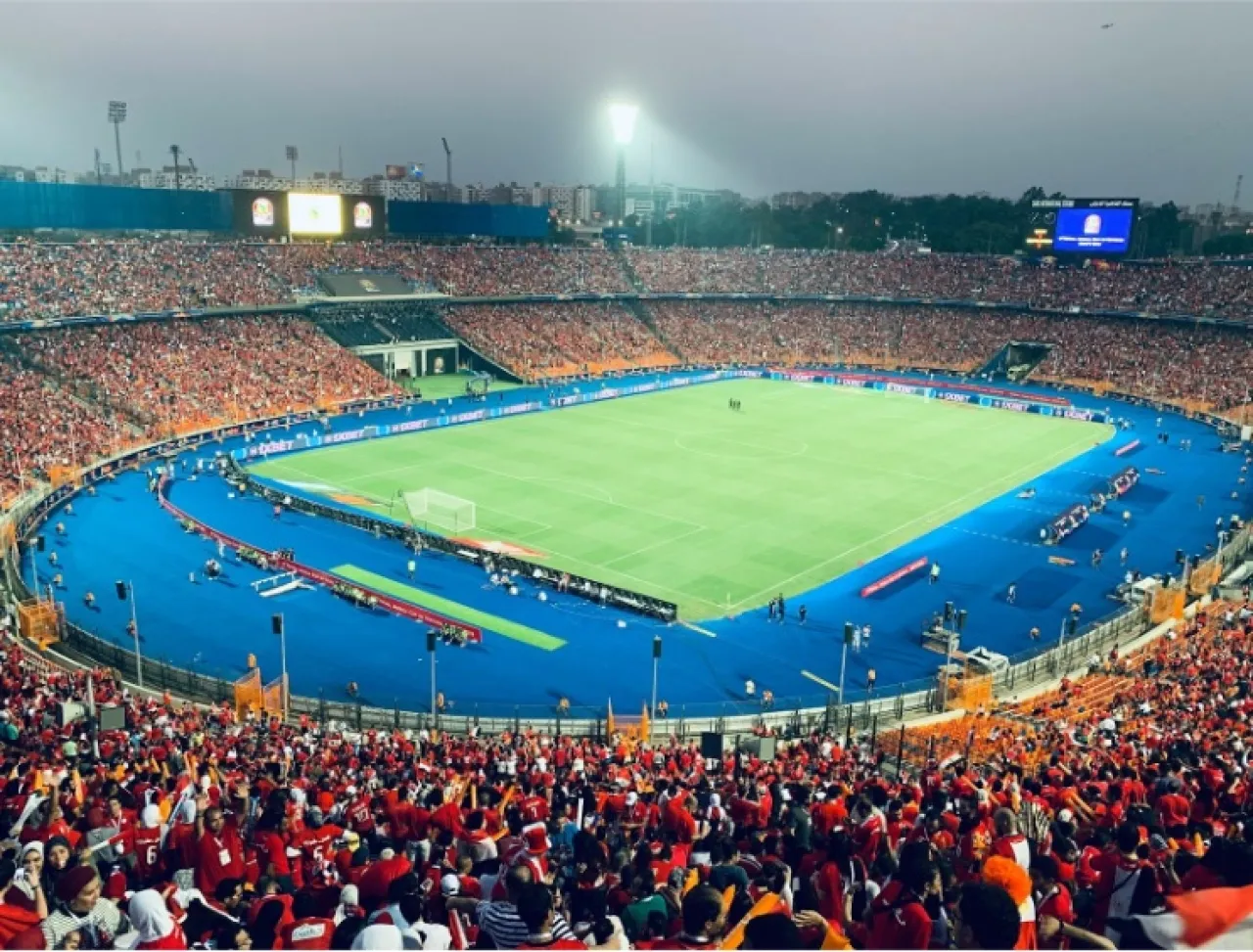
Khaberni - Arab football is no longer just a popular pastime confined to local stands or the screens of traditional cafes, but in the last decade, it has become a comprehensive industry and a rising power challenging major clubs and international teams. From continental achievements to historic surprises, the status of Arab football has risen to a level unimaginable just a few years ago.
What distinguishes this rise is that it was not limited to the sports aspect alone, but also included investment in infrastructure, attracting global stars, and developing local academies, making the game more competitive on an international level.
Arab Achievements that Shook the Global Football Scene
Among the bright moments that cemented the presence of Arabs in the international football scene, three historic milestones made the world look at Arab football with greater respect:
-
Morocco – World Cup 2022: The Moroccan team became the first Arab and African team to reach the World Cup semi-finals after defeating Portugal (1-0) in the quarter-finals.
-
Al Hilal Saudi – FIFA Club World Cup 2023: Presented a football epic after defeating Flamengo 3-2 in the semi-final, becoming the first Saudi and Arab club to reach the final of the tournament, where they faced Real Madrid.
-
Al Ahly Egyptian – FIFA Club World Cup Bronze (2020, 2021, 2023): Al Ahly signaled itself as the icon of the African continent with consistent performances in the FIFA Club World Cup, securing third place three times in four years.
These achievements have opened the door for a new generation of players to become the focus of major European clubs, proving that Arabs can assert themselves at the highest levels of football.
Most Influential Arab Clubs
From 2020 to mid-2025, a group of Arab clubs emerged that not only made their presence felt in local championships but also proved their strength in continental and international arenas, becoming a commendable face of Arab football. Here are some of the most prominent:
-
Al Ahly Egyptian: One of the most crowned Arab clubs in the African Champions League, it has performed notably in the FIFA Club World Cup, securing third place three years in a row.
-
Al Hilal Saudi: Won the Asian Champions League four times to become one of the most successful clubs on the continent, and reached the final of the 2023 FIFA Club World Cup (2022 edition) after defeating Flamengo 3-2.
-
Wydad Moroccan: Won the African Champions League for the 2021-2022 season, reinforcing its status among the strongest clubs in the continent and qualified for the 2023 FIFA Club World Cup held in Morocco.
-
Al Sadd Qatari: One of the most prominent Gulf clubs, who won the Asian Champions League in 2011. Continues to invest in local talents and develop infrastructure, especially after Qatar hosted the 2022 World Cup.
-
Espérance Tunisian: Last won the African Champions League in 2019, and remains one of the most consistent clubs in North Africa. It has a huge fan base and is considered one of the largest exporters of talent among Arab clubs.
From the historical achievements of Al Ahly and Al Hilal to the emerging presence of Wydad, Al Sadd, and Espérance, we can see the contours of a new era reflecting the ambition of Arab football to compete with the big guns, not just continentally but also on an international level.
Investment and the Arab Football Industry
In recent years, there has been a revolution in the investment in football in the Arab world, not just in titles on the fields, but in infrastructure, training academies, and attracting global stars. These transformations show that playing at the highest level has become a strategic imperative, not just a luxury.
-
Building modern stadiums: including the Lusail Stadium in Qatar, one of the largest stadiums in the Middle East, used to host important matches during the 2022 World Cup. This type of stadium forms a legacy that is used post-World Cup for local and continental events, raising the standards of what is expected from sports facilities in Arab countries.
-
Launching advanced training academies: Mohammed VI Academy in Morocco is used to develop young talents on scientific and technical grounds. Many players trained there have become key players in the Moroccan national team.
-
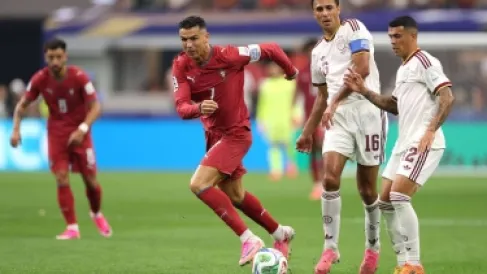
Attracting global stars: Cristiano Ronaldo moved to Al Nassr Saudi club and Karim Benzema signed a contract with Al Ittihad Saudi Club. These transfers highlight that Arab clubs are investing large budgets to make the league an attractive option globally.
Investment is not just financial, but also in vision, management, and long-term planning, and this is what brightens the future for Arab football. If these dynamics continue, the world will witness new leaps in competition levels, not just from clubs but also from Arab national teams.
Fans and Football
Today, Arab fans are not satisfied with just waiting for their favorite team's result, but seek opportunities for interaction and turning their passion into a direct interactive experience.
For instance, many fans consider platforms like Melbet an entertainment tool, combining watching matches with taking advantage of renewable promotional offers, creating a more exciting experience. Access to these services has become easier, especially with special offers, rewards, and real-time updates around major sports events.
Key Tournaments that Highlighted Arab Football's Shine
In recent years, Arab football has experienced historic moments that made a dazzling presence on the global stage. From continental victories to World Cup achievements, several tournaments changed perceptions towards Arab clubs and national teams.
|
Tournament |
Club/National Team |
Achievement |
Year |
|
African Nations Cup |
Algeria |
Champion |
2019 |
|
African Champions League |
Al Ahly Egyptian |
Champion |
2020, 2021, 2023 |
|
Asian Champions League |
Al Hilal Saudi |
Champion |
2021 |
|
World Cup |
Morocco |
Semi-final |
2022 |
|
FIFA Club World Cup |
Al Hilal Saudi |
Runners-up |
2023 |
These tournaments were not just titles in the records but turned into pivotal moments that contributed to the reputation of Arab football. These achievements also helped increase the marketing value of the championships and grew interest in not just the games themselves but also in the interactive experiences offered by betting sites, making Arab football more prominent in the global scene.
Conclusion
The rise of Arab football is not happenstance, but the fruit of long-term strategic planning. Massive investments in infrastructure, coupled with the emergence of a new generation of football talents who have proven their ability to compete at the highest forums, have assured Arab teams and clubs their rightful place among the elites, especially following the achievements witnessed in the last decade.