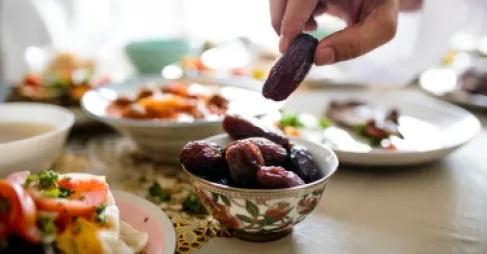
Khaberni - Most senses decline with age, but the weakening of the sense of taste is among the most common, and often goes unnoticed. A study published in 2016 showed that about three-quarters of the elderly experience taste disorders, a proportion exceeding any other sensory loss.
Paul Joseph, the associate director of the National Center for Smell and Taste at the National Institutes of Health, explains that many do not realize their gradual loss of taste because the deterioration occurs slowly and is often due to a weakening of the sense of smell since most of the flavor we experience comes from smells, not the taste itself.
Joseph points out that the loss of taste and smell does not only affect the sensation of flavors but also extends its impact to general health, mood, and quality of life, as it can lead to changes in appetite, dietary habits, and even depression.
"Taste and smell are not secondary senses but are essential parts of the survival, nutrition, and mental health system," says Dr. Joseph.
◄ How does taste weakening affect our daily lives?
As the sense of taste weakens, some individuals lose their appetite and suffer from weakness and wasting, while others turn to eating salty, fatty or overly sweet foods to compensate for the lost flavor, which increases the risk of diabetes and heart diseases.
This loss is also associated with depression because taste and smell are linked to the emotion and reward centers in the brain, and food carries memories and social and cultural relations that make its loss a harsh psychological experience.
◄ Main causes of the loss of taste and smell
Experts agree on five main reasons behind this condition: injuries, viruses, infections, oral health, and aging.
1 - Physical injuries
Dr. Jayant Pinto, a head and neck surgeon at the University of Chicago, explains that head concussions or surgeries on the ear, nose, and brain can damage the nerves responsible for taste and smell.
2 - Viruses
Viral infections can cause temporary or permanent damage to the sense of smell. The coronavirus (COVID-19) is a prominent example of this, as it attacks the supporting cells in the nose and disrupts the neuronal cells responsible for sensing smells.
3 - Chronic infections
Chronic nasal or sinus inflammation causes airway blockage and damage to the nasal lining, which weakens the sense of smell. Studies suggest that treating these conditions early helps avoid permanent loss of the senses.
4 - Oral health issues
According to Dr. Sukrutha Ganesan from the University of Iowa, gum diseases, dry mouth, and bacteria buildup on the tongue can all weaken the taste sense. Regular dental check-ups, tongue cleaning, and maintaining mouth moisture are recommended.
Dentures can also sometimes limit the sensation of food texture, affecting flavor perception.
5 - Aging
Dr. Jay Bhatt, a geriatric medicine specialist, says that the number of taste buds and smell receptors begins to decrease after age sixty, and the body's ability to regenerate them declines. Chronic diseases such as diabetes, Alzheimer's, Parkinson's, and strokes, as well as some medications (like antidepressants, blood pressure drugs, and chemotherapy), all contribute to the weakening of these senses. Dr. Bhatt confirms that a doctor might manage to adjust medications or prescribe alternatives to reduce symptoms but warns against stopping any medication without medical advice.
◄ Are there effective treatments?
Temporary conditions like nasal blockage or congestion are easily treatable, but chronic loss of taste or smell remains a challenge.
Dr. Linda Bartoshuk from George Washington University explains that evidence for the effectiveness of zinc supplements or acupuncture is weak, whereas vitamin B12 or iron supplements may only help in cases of actual deficiencies. Currently, the most prominent treatment is what is known as "smell training," a simple exercise that involves sniffing specific scents twice a day for a period ranging between 6 to 9 months to stimulate neuronal regeneration. Studies indicate that the results are better in younger patients or those who have lost their senses after a recent viral infection.
◄ Tips for enhancing flavor and food quality
Dr. Joseph recommends trying practical solutions in the kitchen:
• Using herbs and spices to enhance flavor.
• Focusing on umami-rich foods such as mushrooms, tomatoes, and Parmesan cheese.
• Using a flavor enhancer in moderation, as it contains one-third of the sodium in table salt.
• Varying the food and its temperatures to enrich the eating experience.
Dr. Pinto concludes by saying, "Seek flavor intelligently, not with salt, sugar, and fats.. You can enjoy food in healthy and safe ways."