Khaberni -
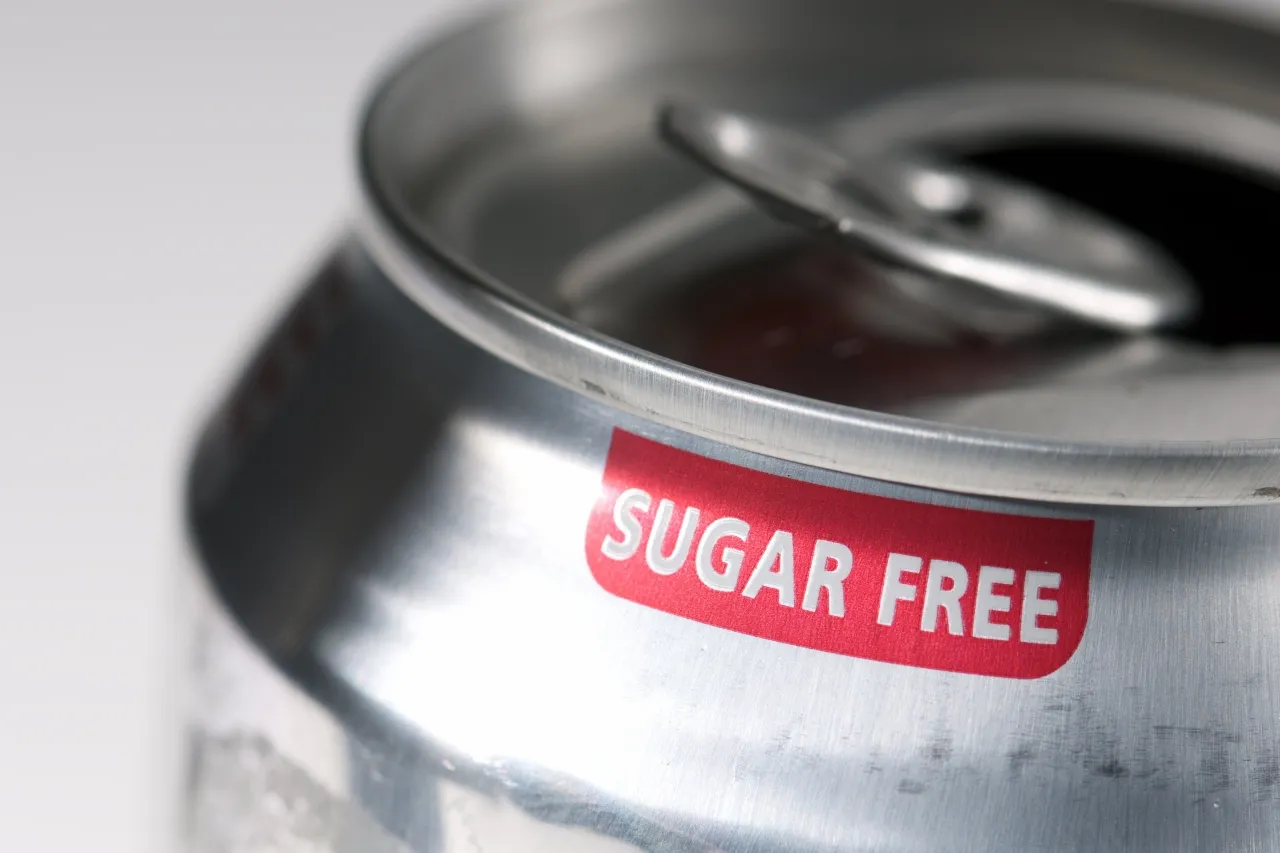
The Saudi Zakat, Tax, and Customs Authority has proposed an amendment to the selective tax system regulation, which includes introducing a tiered system of four tax brackets for sweetened beverages; to create a direct economic incentive for producers to reformulate their products and reduce their sugar content.
Under the new mechanism, if approved, sugar-free beverages or those containing low sugar amounts of less than 5 grams per 100 milliliters would be completely exempt from tax, and the tax value on them is set at “zero riyals per liter.” This sends a clear message to the market and consumers that healthy options will not carry any additional tax burden, reflecting the Kingdom's adoption of best global practices in using tax policies to encourage producers to innovate healthy alternatives and guiding consumers towards less harmful options.
This comes in a broader context aligned with Vision 2030's goals, in building a vibrant society and an integrated health system.
Conversely, tax value escalates with increase in sugar content; medium sugar-content beverages “from 5 to 7.99 grams” will be taxed at 0.79 riyals per liter, while high sugar-content beverages “8 grams or more” will face the highest tax bracket at 1.09 riyals per liter, meaning that the most harmful products health-wise will bear the heaviest tax burden, potentially reflecting on their final sale price to the consumer.
Establishing an Unprecedented Regulatory Tool
The amendments also included establishing an unprecedented regulatory tool, which requires all importers and producers to register each selective product with the authority before marketing it for consumption.
The amendment grants the authority extensive powers to ensure the accuracy of the information provided, as it can suspend or cancel the registration of any product, or prohibit its market entry, if the data proves to be inaccurate, especially those related to ingredients that are crucial for the tax calculation, like sugar content, and the amendments allow the authority to demand companies to provide certified laboratory results to verify the accuracy of their data, placing the burden of proof on the producer and importer and increasing market transparency.
Among the proposed amendments was the need for accurate disclosure, as the obligors are required to self-report any errors in their tax declarations within 15 days from the date they discover it, with broader powers for conducting a tax assessment or reassessment, including calculating a penalty for delay on the underpaid tax due.
The amendments included precise clarifications on the mechanism for calculating tax on concentrated products and powders, which will be taxed based on the final beverage after dilution according to the directions specified on the package, with the chairman of the authority having the power to determine the methodology in case the directions are unclear.
And the minimum threshold required to obtain a “tax warehouse” license was raised to 2.5 million liters annually from beverages; aiming to allocate these licenses to businesses with substantial actual commercial activity.