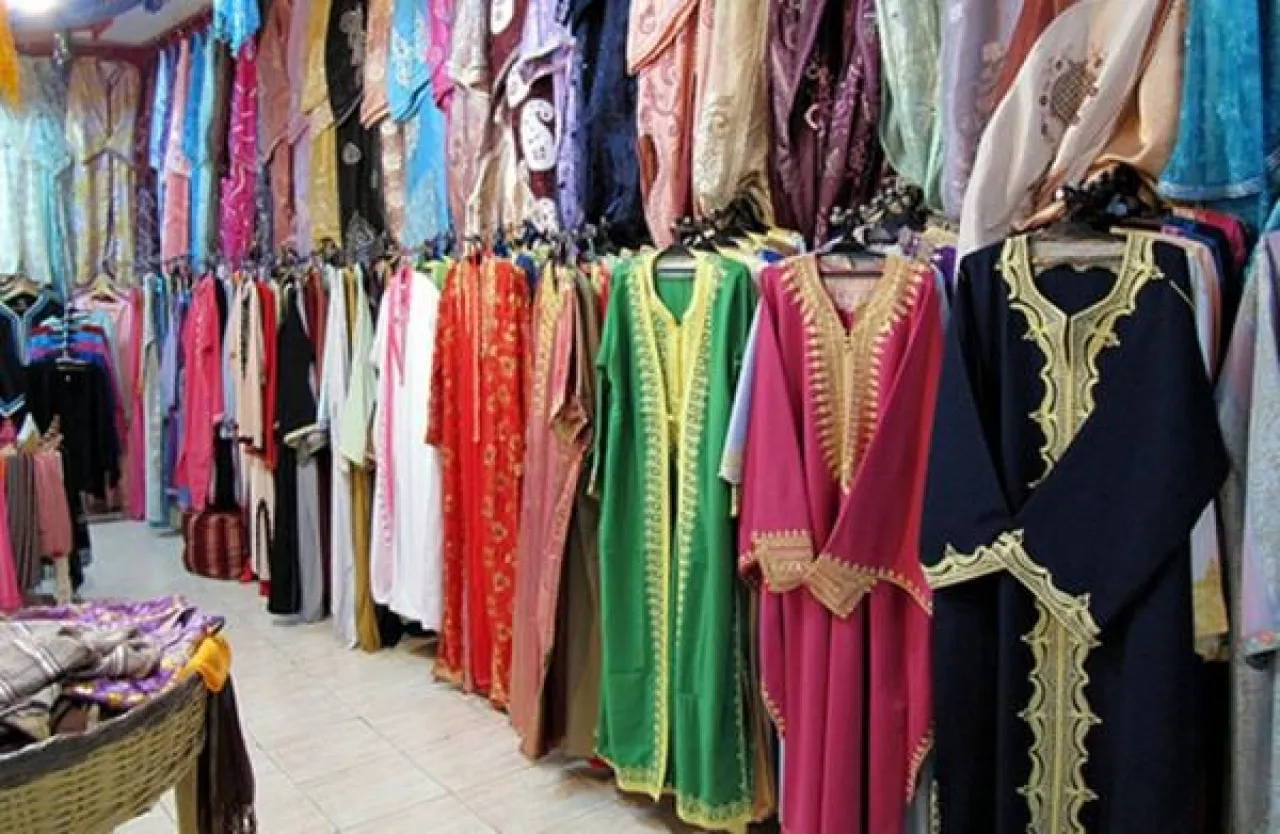
Khaberni - Sultan Allan, the head of the clothing, fabric, and shoes traders, expressed broad concern prevailing among the business community following the decision to prohibit the imprisonment of debtors, considering that this decision has weakened the basic legal tool that traders relied on to collect their rights, leaving them without an effective means to protect them.
Allan stated in remarks to the "Voice of the Kingdom" program that the reluctance towards deferred selling has become apparent in the markets due to the absence of alternative legal tools that guarantee rights, pointing out that the decline in deferred sales is no less than 30–40%.
He added, "We had hoped that before implementing the decision, information tools and alternative guarantees would be developed, such as the ability to know the volume of a trader's debts in the market, their performance, classification, and properties," emphasizing the need to find clear and transparent mechanisms to guarantee rights without relying on imprisonment.
Allan warned that the absence of legal alternatives would open the door to "collecting rights by bullying," given the current law's weak ability to provide effective protection for creditors, in his words.
On his part, Eyad Abu Haltam, a member of the board of directors of the Amman Chamber of Industry, stated that the commercial sector suffered significant damage due to the decision, indicating that the Jordanian economy heavily relies on checks in commercial transactions.
Abu Haltam revealed that the value of checks circulated last year amounted to about 40 billion Jordanian dinars, of which 1.5 billion dinars were bounced checks, mostly for financial reasons related to insufficient funds.
He confirmed that these figures reflect the magnitude of the problem affecting the market and highlight the importance of having effective legal mechanisms to ensure the fulfillment of financial obligations, whether through developing collection tools or activating effective legal alternatives to debtor imprisonment.