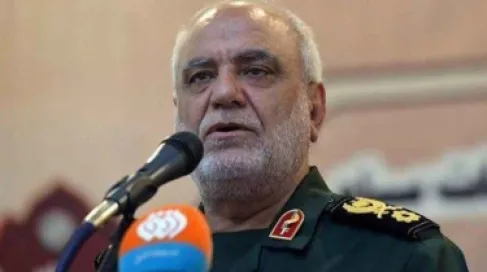
Khaberni - Falahat Pisheh, former head of the Foreign Policy Committee in the Iranian Parliament, stated that the ousted Syrian regime played economic games against Iran involving large-scale economic moves in exchange for the accumulated debts during the years of war. Falahat Pisheh explained in statements carried by Iranian media that the ousted regime gave Iran "an oil well instead of what was requested", adding: "But we later discovered that it was not a real oil well, just a piece of land, and they told us: dig yourselves until you find oil."
He pointed out that the former Syrian president Bashar Assad stipulated during the deal that if oil were found, his government would receive 12.5% of the proceeds.
Falahat Pisheh added: "They also gave us five thousand hectares of agricultural land, but the Syrian Minister of Energy did not grant us the right to invest it, nor did he grant us the right to irrigate, and he did not schedule a meeting for six months, and we kept telling them grant us the irrigation rights so Iranians can farm, and let that count as part of the debt repayment."
He added that the ousted regime granted Iran phosphate mines, but exporting them was impossible because "the port of Tartus was put under Russian use"; he noted that "Bashar Assad told us go to Latakia, but the port there was under Israeli bombing, so how can Iran build a port and export from it?"
Falahat Pisheh also talked about other projects which he described as "lacking substance", saying: "They gave us a cattle farm, but it contained no cows, nor any operating facilities, it was just barren land."
He pointed out that they also acquired an oil well which later turned out to be "just empty land", explaining that Assad offered them an additional agreement stipulating that "if you reach the oil after digging at your own expense, pay 12.5 percent of the revenues for Syria's expenses and take the rest as repayment for the debt."
In conclusion, he said that these experiences "reflect the magnitude of the gap between what was agreed upon and the reality on the ground", considering that Damascus "benefited from Iran in wartime conditions, but did not fulfill its economic promises afterward."