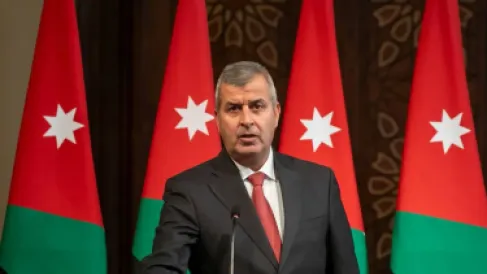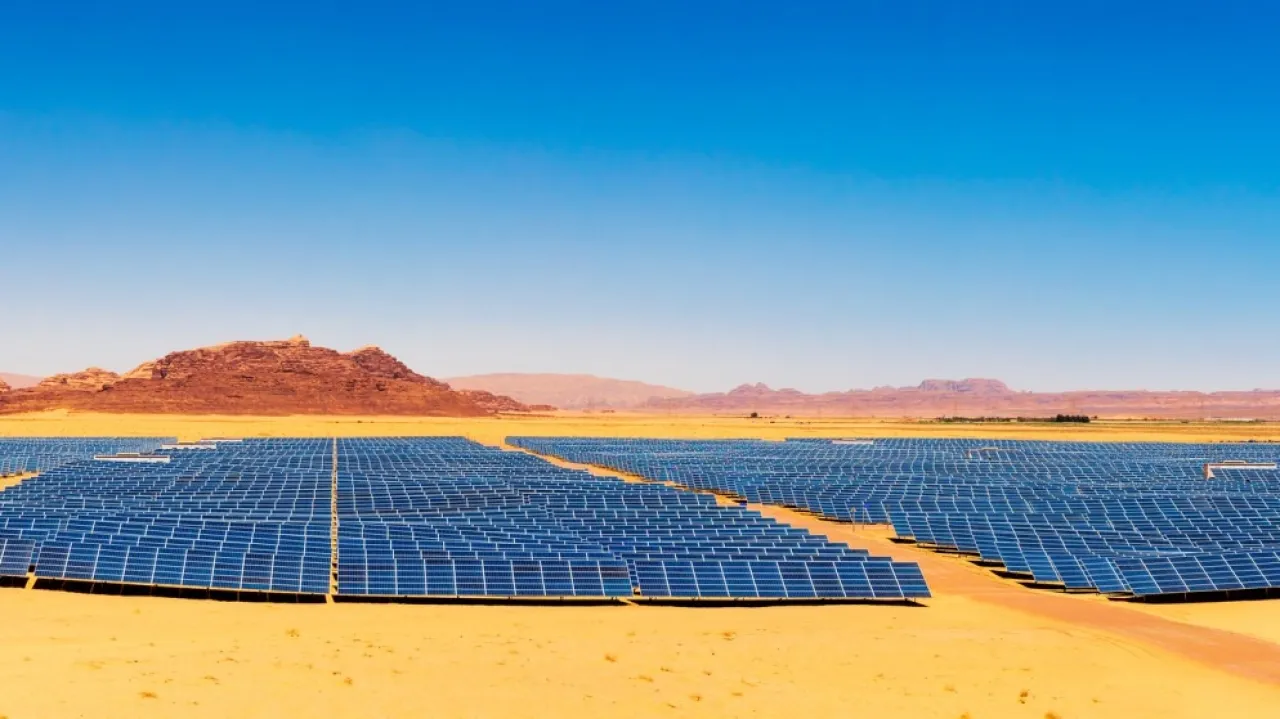
Khaberni - Energy and Mineral Resources Minister Saleh Kharabsheh confirmed that the Kingdom has achieved a qualitative leap in the renewable energy sector over the past five years, culminating in raising the share of renewable energy in the electricity mix to nearly 27% by the end of 2024, compared to a rate that did not exceed 0.5% in 2014.
This was stated during his patronage on Tuesday of the regional meeting "Towards a Fair Energy Future," organized by Greenpeace Middle East and North Africa, the Resource Governance Justice Network in the Middle East and North Africa, and the Regional Center for Energy and Climate Justice affiliated with the Friedrich Ebert Foundation, which aims to coordinate efforts towards a fair and inclusive energy transition, placing climate and social justice at the core of regional policies.
Kharabsheh explained that Jordan, driven by its natural resources of sun and wind, has managed to attract investments exceeding 2.15 billion Jordanian dinars in renewable energy projects, noting the presence of environmental challenges, such as climate change, that call for serious international cooperation to combat extreme natural phenomena.
He pointed out that the ministry is currently working on updating the energy sector strategy for the period 2025–2035, aiming to increase the proportion of contributions from renewable energy projects and enhance the stability of the electrical grid in the Kingdom.
In turn, the Director of the Middle East and North Africa at the Resource Governance Justice Network, Pierre Saadeh, said: "The new regional roadmap provides a vision for clear policies to drive a fair energy transition that is inclusive, transparent, and equitable in the Middle East and North Africa region, with priorities set for governments to diversify economies and protect communities."
Saadeh relied on collective efforts to cement the role of local community institutions as a fundamental partner in shaping national, regional, and global policies for a sustainable and resilient future.
Meanwhile, the Executive Director of Greenpeace Middle East and North Africa, Gouwa al-Nuket, confirmed that the fair transition of energy requires reimagining the role of energy in building a more sustainable and just future for the region.
Representatives of participating networks emphasized the importance of regional cooperation to ensure a fair and inclusive energy transition, taking into account the needs of local communities.
The launch of the regional roadmap for a fair energy transition and the "Polluter Pays" charter is a pivotal point in shaping the energy future of the region, as it combines addressing the climate crisis with enhancing social and economic justice, especially since the fair transition, community-based, is capable of opening broad prospects for transforming economies, creating millions of decent job opportunities, and expanding access to affordable energy for all.