Khaberni - The World Bank expects the Syrian economy to register a real growth of 1% in 2025 after a contraction of 1.5% in 2024, marking the first improvement since 2022, according to a report released on Tuesday, translated by "Al-Mamlaka".
The report views the recovery path as "fragile, linked to sanctions easing, improvements in the energy sector, refugee returns, and increased international engagement, but it is contingent on sustainable security and institutional stability."
The report shows that the economy contracted by 53% between 2010 and 2022, which led Syria to be classified as a low-income country in 2018. However, 'night lights' data derived from satellite images suggest a larger contraction, reflecting the real severity of the economic downturn.
It indicates that the war caused profound damage in the tourism, energy, and manufacturing sectors, and forced the country to rely on imports for food and oil security, while the trade of "Captagon" emerged as an illicit source of income.
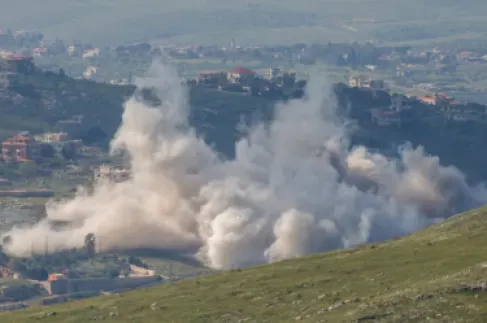
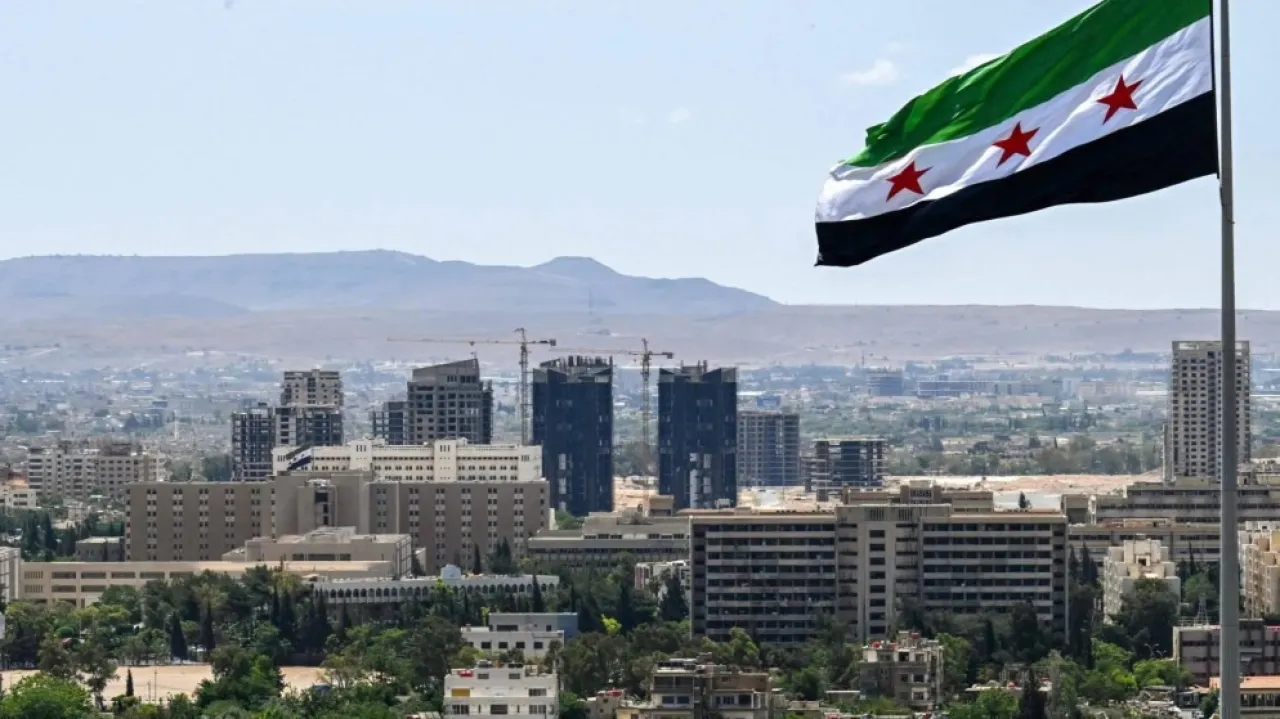
The overthrow of President Bashar al-Assad in December 2024 changed the political and economic landscape as the transitional government controlled areas encompassing 78% of the population and about 60% of economic activity, yet it only controlled 9% of the oil production, which remained under the control of the Syrian Democratic Forces. Meanwhile, clashes that fueled sectarian tensions continued, along with ongoing Israeli airstrikes.
On the monetary policy front, the Syrian pound increased by 29% from the end of November 2024 to August 2025 due to expatriates returning and partial easing of sanctions, according to the report.
Food prices also stabilized and then began to decrease with the influx of cheaper imports, especially from Turkey. Nevertheless, a liquidity crisis persisted due to withdrawal restrictions, suspension of electronic payments, and delayed public sector salaries.
The report points out that public finances remain under pressure with a deficit nearing 6% of GDP, and external debt estimates at 104% of GDP in 2024 according to central bank data, while official charts show it at 30.3%, expected to drop to 14.9% in 2025.
The current account improved from a deficit of 14% in 2023 to a slight surplus of 0.4% in 2024, with an expectation of 0.1% in 2025, while foreign direct investment flows were almost absent.
On the humanitarian side, international funding rose by 70% in the first half of 2025 compared to the previous year, but remained one-third below the 2023 levels.
From December 2024 until mid-August, about 780,000 refugees and 1.7 million internally displaced persons returned, posing significant humanitarian challenges but also boosting domestic demand and increasing labor supply.
It is expected that private consumption will grow by 20.7% in 2025, and government consumption by 13.7%, while exports will rise by 30.6%, against a decline in imports of -38% and a contraction in fixed investment of -31.4% after a strong surge in 2024. By sector, industry is expected to grow by 1% and services by 1.2%, while agriculture remains stable.
Syria's population reached 24.7 million, with an average life expectancy of 72.1 years, and a primary school enrollment rate of 79.6%. 3.7 million people live on less than $3 a day, while poverty at the $4.20 line rose to 48.1% in 2025.
Inflation slowed from 127.8% in 2023 to 58.1% in 2024, with an expected price contraction of -12.7% in 2025, while the employment rate remained steady at 33%.
The report concludes that the Syrian economy stands on the threshold of a potential recovery phase, but its sustainability depends on intertwined political, security, and economic factors, notably continued international support, easing of restrictions and sanctions, and securing energy and trade resources. Without these, per capita income and poverty will remain at worrying levels despite initial signs of improvement.