Khaberni - The economies of Islamic countries have witnessed significant development in recent years as many strive to enhance their productive capacities and diversify their sources of income away from total dependence on oil or natural resources.
According to the DinarStandard 2025 ranking, a group of Islamic countries are at the forefront of the strongest and most influential economies on the international stage, not just in terms of GDP, but also through elements of economic strength such as investments, infrastructure, and the ability to innovate.
In this context, economic researcher Dr. Mohammad Musa explains that these rankings are not coincidental, but are the result of long-term strategic plans that relied on diversifying income sources, investing in infrastructure, quality governance, and political and financial stability, factors that have made these countries more competitive globally.
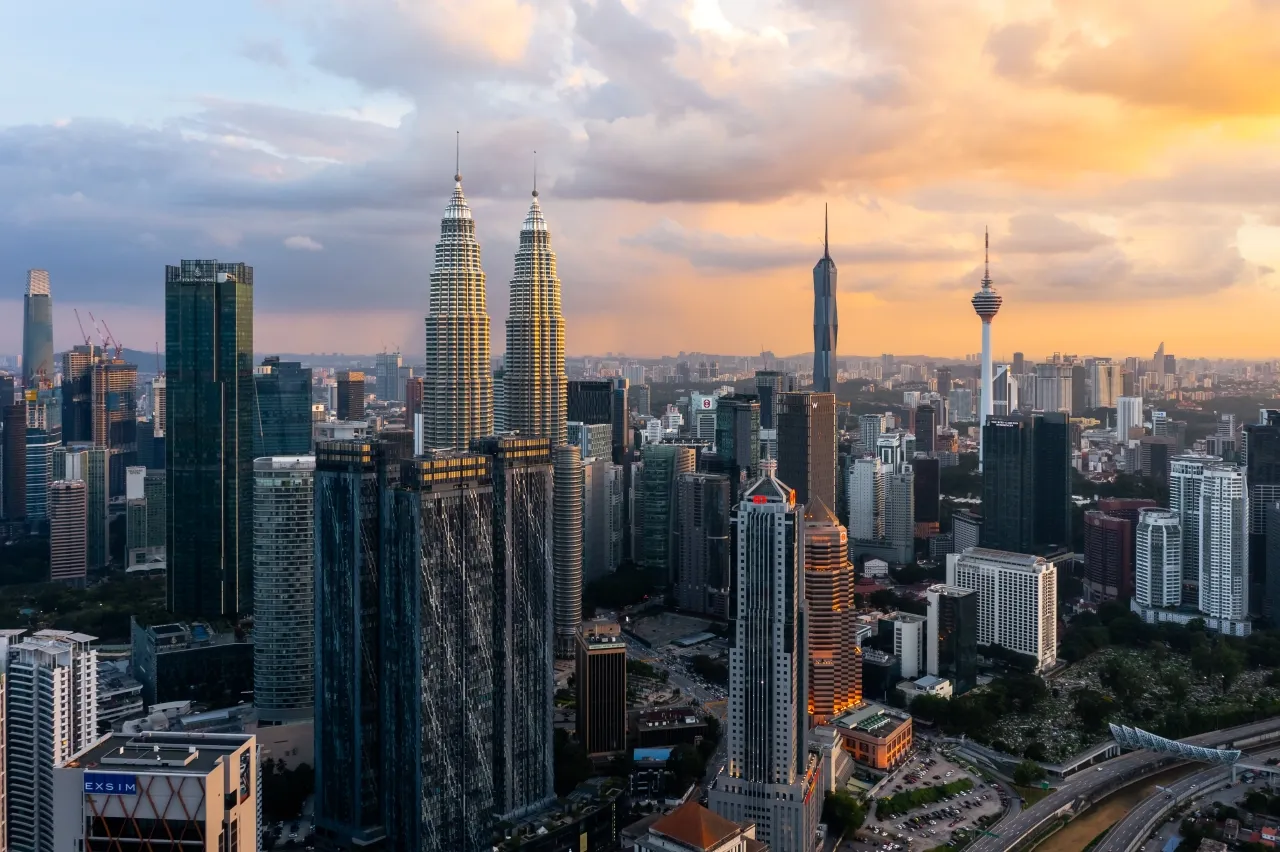
Malaysia ranked first as the strongest Islamic economy for 2025, with an index of 165.1. This superiority is due to the diversity of the Malaysian economy, based on industry and technology, alongside its pivotal role in the Islamic finance sector.
Musa explains that Malaysia “boasts the largest market for Sukuk and Islamic bonds globally, adopts strict laws in transparency and financial governance, and leads in halal industries, including food, pharmaceuticals, and cosmetics, making it an integrated economic model. Additionally, Islamic tourism and continued government support further bolster its economy.”
The Kingdom of Saudi Arabia came in second with an index of 100.9, benefiting from its status as the world's largest oil producer and exporter. But its strength is not limited to oil alone, but also on the “Vision 2030” led by Crown Prince Mohammed bin Salman.
Musa explains that the value of the Saudi economy exceeds one trillion dollars, and is based on multiple engines such as the Hajj and Umrah seasons, massive projects like NEOM, and economic diversification programs, making it a pivotal player in the region and the world.
Indonesia ranked third with an index of 99.9. As the largest Islamic country by population, it provides a huge local market that supports growth. Musa notes that “with an economy nearing one trillion dollars, Indonesia has a solid industrial base in food and electronics, alongside a significant trade surplus, which bolsters its status as a rising economic power.”
The United Arab Emirates maintained its position by occupying the fourth spot with an index of 95.8. The UAE is distinguished by a diversified economy based on global trade, aviation, tourism, and innovation. Musa describes it as “a global financial and commercial center thanks to Dubai and Abu Dhabi, with advanced infrastructure from airports to ports, in addition to its prominent presence in tourism and Islamic finance, though to a lesser extent than Malaysia.”
Bahrain ranked fifth with an index of 81.9. Commenting on this, Musa says: “Despite its limited population, Bahrain enjoys an advanced legal and legislative environment that has made it a prominent Islamic financial center.”
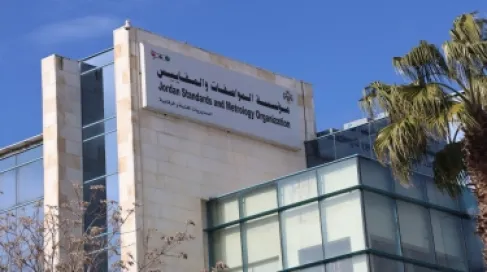
Jordan ranked sixth with an index of 71.4, and according to Musa, it is distinguished by immense human and educational resources, along with a digital economy and institutional and security stability that grant it a special edge. Kuwait came in seventh with an index of 67.0, based on its oil wealth and massive sovereign fund, in addition to its role in Islamic finance.
Pakistan was eighth with an index of 64.1, distinguished by a huge domestic market supported by agriculture and industry sectors. Meanwhile, Turkey ranked ninth with an index of 64.0, benefiting from its leading industries such as automotive, textiles, and tourism.
Musa points out that “Turkey and Pakistan possess internal strength stemming from their large markets and local industries, providing them significant growth opportunities despite economic challenges.”
The figures provided reflect not only the GDP but also represent an index of economic strength that includes investment, infrastructure, innovation, and the ability to influence the global economy.
Musa confirms that this index “reflects the actual figure of the economy, encompassing trade, tourism, finance, and investment. It is a natural result of long-term economic plans, not just momentary numbers.”
This ranking highlights that the Islamic world includes strong and promising economies that increasingly contribute to the global economy. The strength of these economies is distributed among Islamic finance (Malaysia and Bahrain), energy and investment (Saudi Arabia and UAE), large domestic markets (Indonesia and Pakistan), human and educational power (Jordan), sovereign wealth (Kuwait), and leading industries (Turkey).
According to Musa, “the general landscape reflects a diverse Islamic economic map, where each country has a relative advantage enabling it to establish its presence in the international economic system.”