Khaberni - The Jordan Municipal Services and Social Resilience Project, funded by the government and the World Bank, received a total funding of $106.5 million in grants through 5 trust funds.
Khaberni - According to the project's evaluation report, the government contributed $6 million in financial transfers through the Ministry of Finance to the Ministry of Local Administration; from there to the Cities and Villages Development Bank to support the project, which was approved in October 2013 and closed in June 2024, according to the Kingdom.
At the usage level, the actual expenditure on grants for municipalities was about $97.56 million, while $9.02 million was allocated for institutional support and project management, with a gradual increase in the number of benefiting municipalities from 9 at the start to 26 at closure.
The project also introduced an Innovation Fund during its implementation as a competitive mechanism to encourage municipalities to submit investment proposals, but its execution faced challenges that prevented the completion of most of its projects.
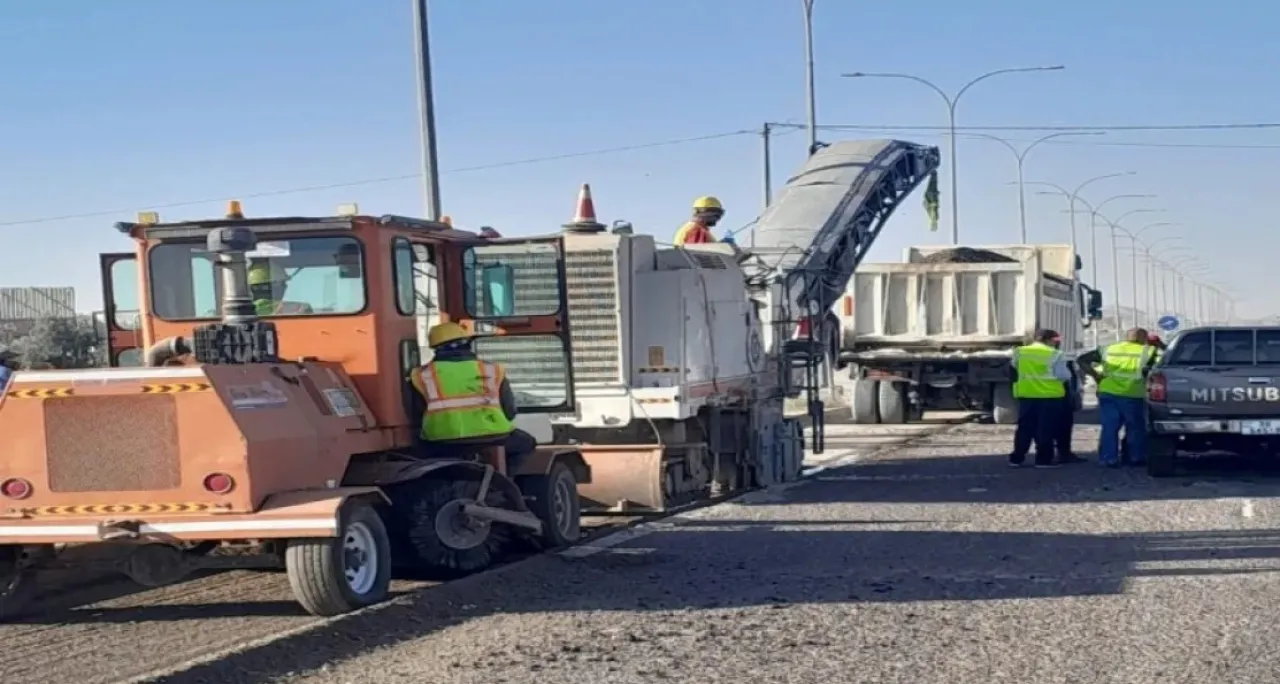
According to field results, more than 395 service and community projects were implemented with the participation of residents, including the installation of 1,200 public lighting units, and rehabilitation or construction of 2.6 million square meters of roads, and completion of 9,000 square meters of public buildings and 12,000 square meters of recreational facilities.
On the socio-economic impact front, more than 3.1 million people benefited from the project, including 19% Syrian refugees and 47% women.
The project contributed to providing about 110,000 days of temporary work (equivalent to 2,553 jobs for one year), with an employment rate of 76% for Jordanians and 24% for Syrians.
Surveys have shown that 58% of the beneficiaries are satisfied with the services, while 62.7% confirmed that the project helped in enhancing social cohesion. According to 2024 surveys, 38% of residents reported an improvement in roads and sidewalks, 56% in public lighting, while 68.4% felt that the investments met their actual needs.
The evaluation highlighted the enhancement of institutional capacities; all municipalities updated their local development plans collaboratively, emergency plans were established in ten municipalities and provinces, and 150 employees received training on emergency preparedness procedures. The complaint system was also enhanced, with 90% of issues resolved within 21 working days, and gender-sensitive plans were incorporated into municipal activities.
The analyses, conducted by the project, showed that investments in roads achieved internal returns ranging between 14 and 15% with benefit-cost ratios between 1.7 and 2, while solar energy projects returned 7.5% and rose to 11.4% when the impact of emission reductions was taken into account, with a benefit-cost ratio reaching up to 2.2.
Despite these results, the project faced challenges in procurement and delays due to the COVID-19 pandemic, in addition to a partial suspension of payments in 2021 before the necessary conditions to lift it were met. At closure, about $1.8 million remained unspent due to the stalling of most initiatives of the Innovation Fund.
According to the World Bank's rating, the project's overall performance was satisfactory to moderate, as it succeeded in improving basic services and enhancing social satisfaction, but it did not reach the required level in sustainable employment and the Innovation Fund.
Nevertheless, the project was described as highly efficient in employing grants and enhancing municipal capacities, with a tangible impact on services and opportunities for shared living in both host and refugee communities alike.