Khaberni - Weekly food sorting helps avoid many health issues, such as stomach pains or food poisoning, and it also provides more space in the refrigerator.
In a report published by the American magazine "Reader's Digest," writer Hillary Quinn explains that determining which foods need to be disposed of is not easy, as it's not just about bad smells, mold appearance, or even expiration dates.
Donald Schaffner, a professor of food microbiology at Rutgers University, points out that there is a big difference between the microorganisms that cause mold, bad smells, and bad taste, and those that cause diseases which might not be visible. He says:
"Expiration dates are not an exact science. Food companies use these dates to satisfy customers, but it doesn’t mean that the food will suddenly go bad at midnight once the specified date has passed."
Mary Yavelak of the College of Agriculture and Life Sciences at North Carolina State University warns that most harmful bacteria do not grow at refrigerator temperatures; however, some microorganisms are capable of growing in this closed environment.
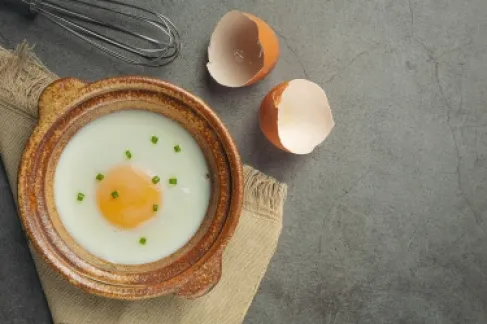
In many refrigerators, there is a designated egg shelf on the door, but Valtica Lyke, the marketing director at "Space Station" storage, advises placing the eggs on one of the inner shelves instead of the door, because the frequent opening exposes the eggs to external temperatures which can lead to rapid spoilage.
We must not forget that the refrigerator acts as a "giant food dehydrator," so anything exposed to air directly dries out quickly and loses its flavor. Therefore, it is advisable to store food in air-tight glass or plastic containers to keep it tasty for a longer period.
Schaffner says:
"You can remove one or two spoiled berries or strawberries, wash the rest with clean and cold water, and they will be edible. But do not try to keep the spoiled berries after just removing the damaged part. It's best to discard the whole spoiled fruit and make sure the rest are safe."
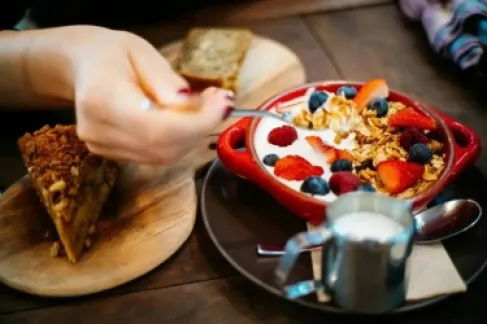
To keep berries and strawberries fresh for as long as possible, it is advised to store them in a container that allows airflow to decrease spoilage risk, and washing strawberries with a mixture of vinegar and water helps extend their life by preventing mold and bacteria growth.
As for pre-packaged salads, if you are used to opening the container and eating part of it then returning it to the fridge, it is advisable not to use it more than twice. Schaffner explains that Staphylococcus aureus bacteria, present in and around the nose, can transfer to the food through sneezing or touching, so it's important to take the required amount with a clean spoon and dispose of the leftovers. To avoid food waste, it's better to divide the amount in half from the start and use each half separately.
As for perishable dairy products such as sour cream, buttermilk, and cheese, it's better to store them on the inner shelves of the refrigerator where they are less exposed to temperature changes caused by frequent opening and closing of the door.