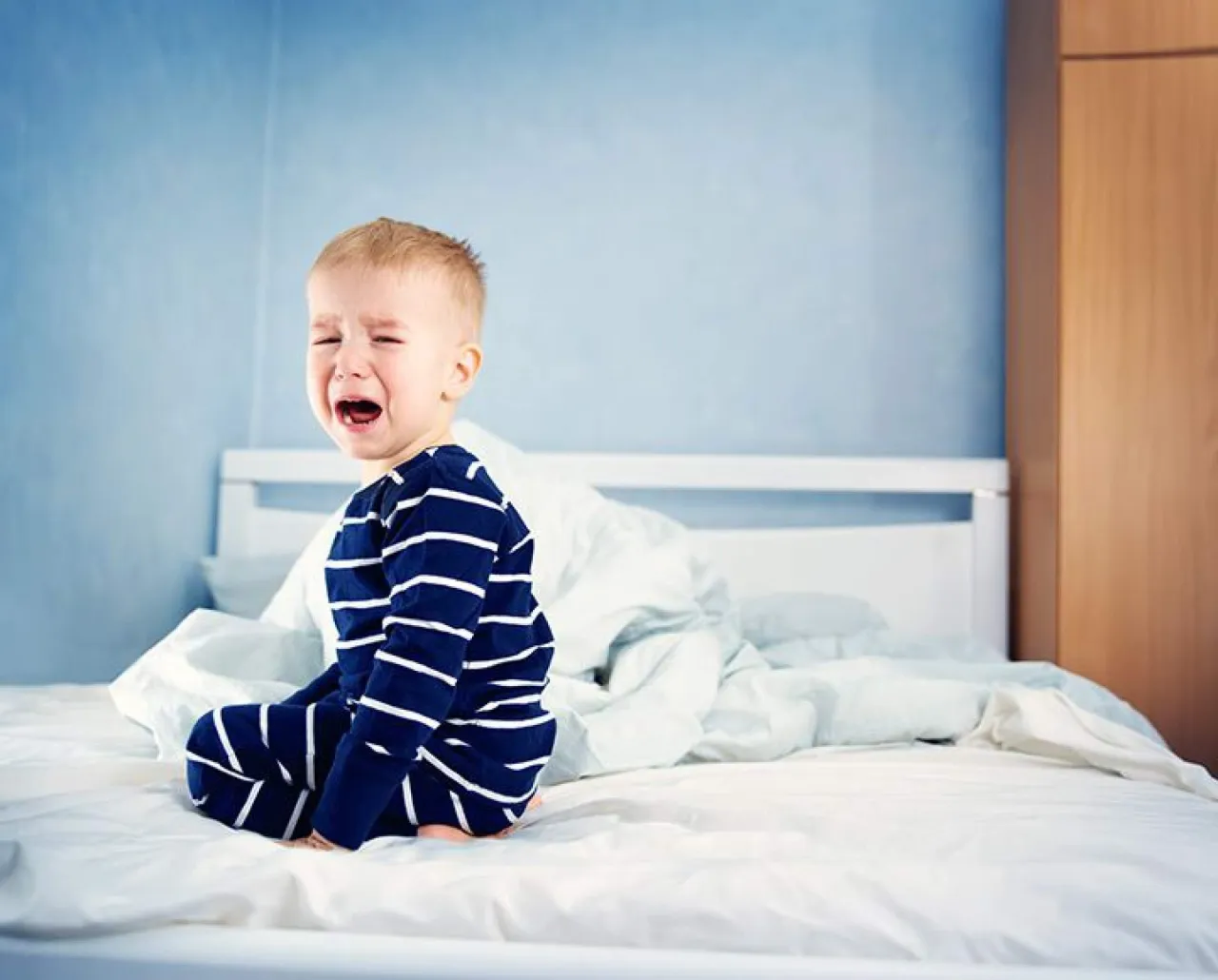
Khaberni - Enuresis in children is a problem for both children and parents alike, as it makes children feel ashamed of themselves and tend to isolate themselves, and it also represents a significant physical and psychological burden on the parents.
The Scientific Medical Societies Association in Germany stated that enuresis (nocturnal enuresis) is diagnosed when children, older than 5 years, urinate at least twice a month for 3 months.
Symptoms
The association explained that the severity of enuresis varies greatly from occasional nocturnal incidents to almost daily incontinence, and common symptoms include the following:
• Enuresis during sleep, usually without the child waking up.
• Lack of sensation of needing to urinate, as the child does not realize the bladder is full in time.
• Psychological stress, as many affected children suffer from feelings of shame, social withdrawal, or insecurity.
Physical and Psychological Factors
The Professional Association of Pediatricians in Germany stated that enuresis can be due to various physical and psychological factors, and usually several factors are involved:
• Maturity delay: Bladder control develops slowly.
• Deep sleep: The desire to urinate during sleep goes unnoticed.
• Genetic predisposition: Common in families.
• Psychological stress: For example, due to family changes or pressures.
• Hormonal imbalance: A lack of ADH hormone leads to increased night-time urine production.
• Low bladder capacity: The bladder fills quickly before the child wakes up.
Treatment Methods
The Professional Association of Pediatricians in Germany noted that treatment is individually designed based on the child's age, the severity of enuresis, and its possible causes, aiming to relieve pressure and gently guide the child towards dryness.
1- Behavioral treatment (primary action)
• Fluid management: Drink plenty of fluids during the day, with reduced fluid intake from late afternoon onwards.
• Bathroom routine: Regular visits to the bathroom, especially before bedtime.
• Encouragement and reward: For example, a calendar with stickers for dry nights.
• Bladder training: The child learns to hold the bladder for longer periods and increase its capacity.
2- Behavioral treatment using devices
Alarm devices (bell pants, bell mats): Emit an alarm when wet to awaken the child and enhance their awareness of the need to urinate, usually noticeable success after several weeks of continuous use.
3- Medications
Medications can provide temporary relief, for instance, during all-night stays at home or during periods of severe stress, but they are not a permanent solution. Examples of medications include:
• Desmopressin: Reduces night-time urine production. It works quickly, but it must be taken continuously.
• Anticholinergics: Relax bladder muscles and are used to treat overactive bladder.
4- Psychological support
If signs of emotional causes such as family stress or stressful life events appear, it may be beneficial to consult a child psychologist.