Khaberni - Some personal situations and events occur in people's lives, and they leave varying impacts in one direction or another. However, some of these situations and events, no matter how limited they may seem, are distinguished by their deeper presence in memory and conscience due to special characteristics of their circumstances, making one feel that talking about them or mentioning them to others transcends mere conversation, and talking about them might be preferred if it is useful in one way or another.
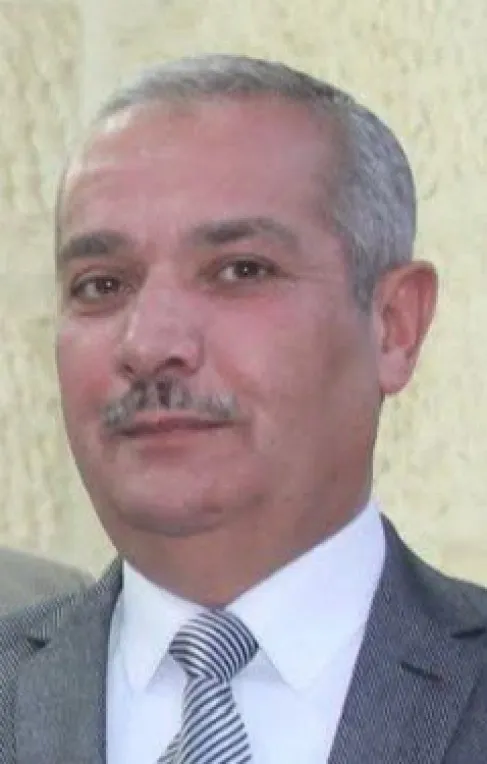
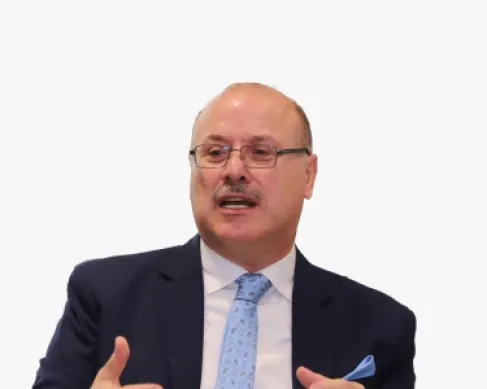
I say this, after my work circumstances dictated that I travel to the Republic of Tunisia to accomplish some academic and research tasks in collaboration with various entities in Tunisia. To facilitate the mission, contact was made with the Jordanian Embassy in Tunisia to notify them of our presence and inform them about our visit schedule. We thought this would suffice, and that we might resort to asking for the embassy's assistance if necessary. However, we were surprised and very pleased, and appreciated the contact from His Excellency Ambassador Dr. Abdullah Abu Rumman, Ambassador of the Kingdom in the Republic of Tunisia, who had previously been a minister in the Jordanian government and in leadership and administrative positions, informing us that he personally and the embassy staff would provide whatever was necessary to facilitate our task and ensure that the visit was successful.
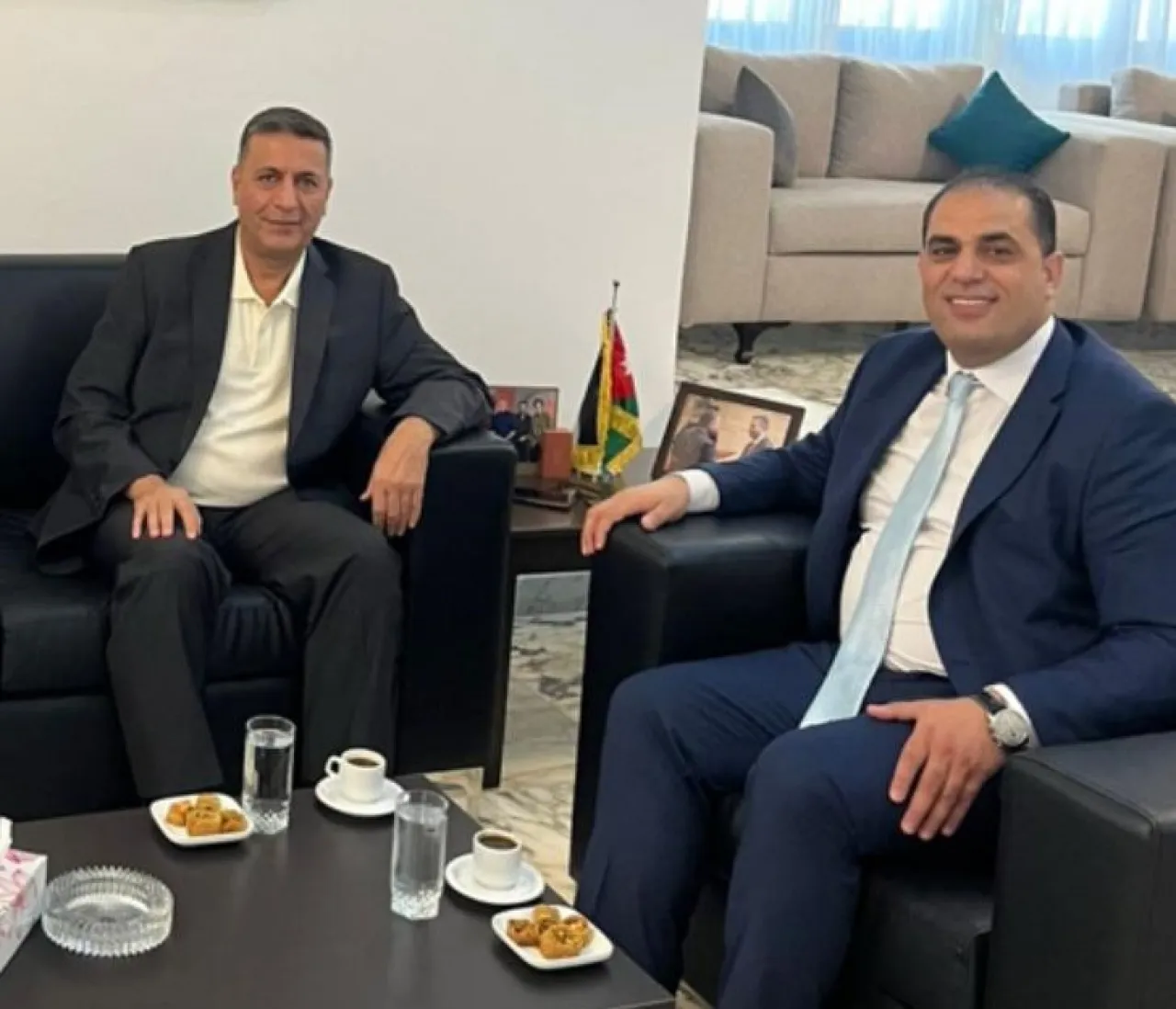
What made us feel even more grateful, before and after our arrival, was that His Excellency personally oversaw the embassy staff arranging contacts with Tunisian entities. This included, among other entities, the Director of Science and Research Administration at the Arab Organization for Education, Culture and Science (ALECSO), Prof. Dr. Mohamed Sand Darwish, a man of broad culture, who meticulously followed up with the concerned entities about our work program and was tremendously generous with us. We also met with the committed Arab intellectual, Prof. Dr. Sami Al-Maliki, who is sensitive to the existential challenges facing the Arab nation. They were all individuals with a strong and significant presence. We also met with several prominent Tunisian figures, including former Minister of Culture, Dr. Sounia Mubarak, a generous lady whose sincerity, progressive orientation, and humanity earned our utmost appreciation and respect. We also met with the Director of the Center for Strategic Studies in Tunisia, Dr. Badra Gaaloul, who welcomed us and was keen to facilitate our affairs among our brethren in Tunisia, for which she deserves our sincere thanks, respect, and appreciation. And we must not forget the vibrant young Tunisian, Nasser Eddine Bouazza, who truly "embarrassed us" with his kindness, moral generosity, and his love for Jordan, Palestine, and all the Levant lands. He has our sincerest feelings of love and appreciation.
Indeed, all these meetings could not have taken place and achieved what they did without His Excellency the Ambassador personally, and the attention and care from the embassy staff. Here, gratitude carries meanings with various facets. Personally, the amiability of His Excellency the Ambassador of the Kingdom in Tunisia, his encouragement of us, and his concern to ensure our mission was successful were among the most notable impressions we left with. But perhaps more importantly, as we visit Tunisia for the first time, we felt as if we knew more and were indeed assisted by the embassy in overcoming the specifics that might hinder anyone visiting a country for the first time. And with that, I return to the original idea, which is that some events engrave themselves in the memory, mind, and conscience... And if there is to be a brief on that, it is that embassies, as they represent the image of the homeland in the host country, are also part of the homeland's soil in that country, and this is indeed what we want our embassies to be. And in this thanks, beyond stating the truth, is a call to generalize this pattern of interaction, which always receives all the appreciation and respect.
Furthermore, ... a word of thanks is indeed necessary for the Tunisian people who overwhelmed us with their hospitality and kindness, with whom you pride yourself in your Arab identity, Islamic faith, and Arab-Islamic civilization. I hope to be able to formulate my impressions and publish them in a dedicated article about Tunisia and its people because this topic is too significant to be merely hinted at in passing, much bigger indeed!