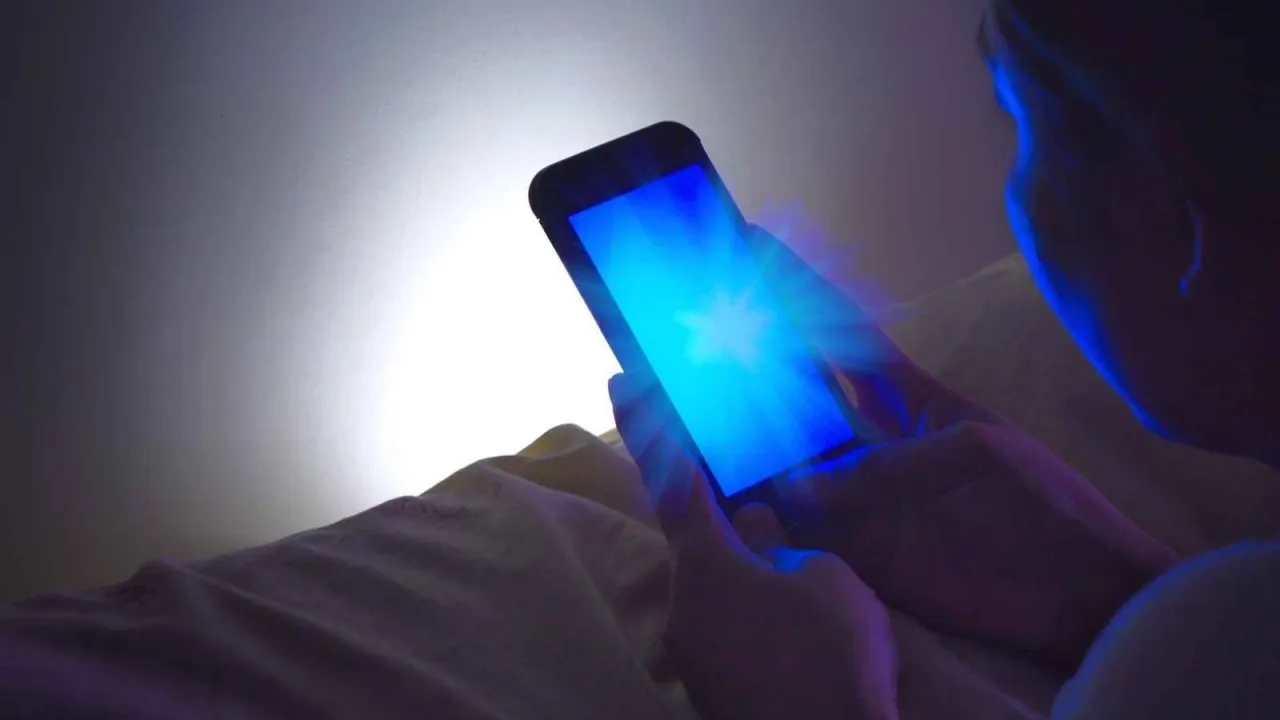
Khaberni -In a world overwhelmed by phone and computer screens, which never turn off, day or night, constantly staring at smart devices into the late night hours has become a common feature of our daily lives. But scientists warn that this modern pattern may leave an impact on our health.
About this, Dr. Randy Nelson, a neuroscientist at West Virginia University, says that exposure to artificial light at night not only disrupts our sleep but also causes deep disturbances in the way the brain functions.
► Our brain loves darkness
Over millions of years of evolution, the human body has adapted to a strict rhythm: a lively daytime and a restful dark night. This internal biological rhythm is driven by a group of neurons known as the "biological clock," which is responsible for coordinating a number of vital functions, such as hormone secretion, body temperature, and organ activity. However, when we are exposed to artificial light in the evening, especially blue light emitted from screens, the brain sends conflicting signals to the rest of the body, messing up this precise rhythm.
What is the result? As Dr. Nelson explains - in an interview with Genomic Press - it will be sleep disturbances, immune system dysfunction, inflammation in the brain, mood changes, and even metabolic issues.
► Night shift workers pay the price
These effects are clearly evident in those who work during the night hours, such as nurses, factory workers, security guards, etc., all of whom suffer from what is known as chronic circadian rhythm disorder. Research shows that these individuals are more susceptible to weight gain, increased inflammation levels, blood sugar disorders, and even anxiety and depression.
But the most important warning - according to researcher Nelson - is that the impact is not only limited to lack of sleep, but includes the entire biological performance of the body: "The disturbed rhythm changes the chemistry of the brain and body in profound and persistent ways."
► Is there a way out of the night light spiral?
Fortunately, there are still steps that can be taken to minimize these damages. In the United States, clinical trials are currently conducted on patients in intensive care units to test the effect of reducing night lighting in recovery after strokes and heart surgeries. At the same time, tests are being conducted on devices that emit blue light during daytime hours to help night shift workers reset their internal clocks.
Nelson points out that some simple changes can make a significant difference, such as:
1 - Using blackout curtains in bedrooms.
2 - Stopping the use of electronic devices before bedtime.
3 - Installing warm or red lighting in the evening.
4 - Relying on dynamic lighting systems at work that consider the biological clock.
► Conclusion
In an era dominated by screens that dictate the rhythm of our day, the message remains clear: "Protecting our minds starts with turning off the light at the right time."