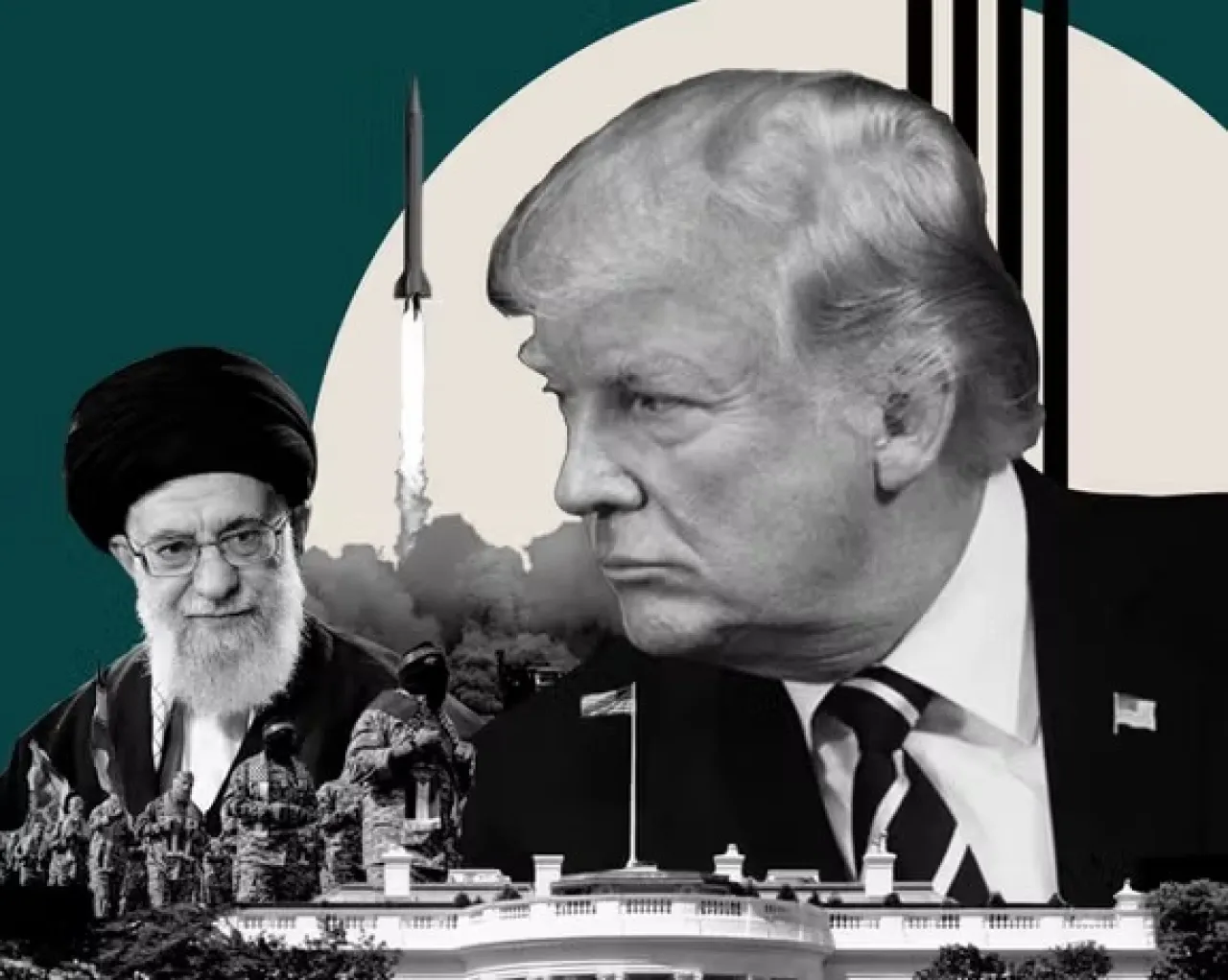
Khaberni -Khaberni - On Friday in Rome, Iran and the United States held a fifth round of talks on the Iranian nuclear program. Both delegations left without noticeable progress, but expressed readiness for further talks.
Here are some of the ongoing points of contention about the Iranian nuclear dossier despite mediation efforts by Oman.
Enrichment
Uranium enrichment is the main issue at hand.
Western countries, led by the United States and Israel, Iran’s archenemy and which experts consider the only nuclear power in the Middle East, suspect Tehran's intentions to possess a nuclear weapon. However, Tehran denies any military nuclear ambitions.
The International Atomic Energy Agency states that Iran is currently enriching uranium at 60%, far exceeding the 3.67% limit set by the 2015 nuclear deal with major Western powers, from which Washington withdrew in 2018. In response to the American move, Iran announced that it was no longer bound by the agreement's terms.
Experts consider that starting from 20%, uranium might have military uses, noting that enrichment should be at 90% to manufacture a bomb.
The American envoy to the Middle East, Steve Witkoff, who leads his country’s delegation in the talks with Iran, affirmed that the United States cannot allow Iran to have even 1% enrichment capability. Iran asserts that the enrichment issue is a "red line" for it.
Researcher at the Washington Center for International Policy, Sina Toossi, noted that Friday's discussions highlighted "a clash of red lines that seem irreconcilable."
Contradictory Stances
Tehran insists that the talks be limited to the nuclear issue and the lifting of sanctions against it, considering this a non-negotiable principle.
In 2018, the U.S. withdrawal from the international nuclear agreement was partly driven by the lack of measures against Iran’s ballistic program, which is seen as a threat to Israel, a U.S. ally.
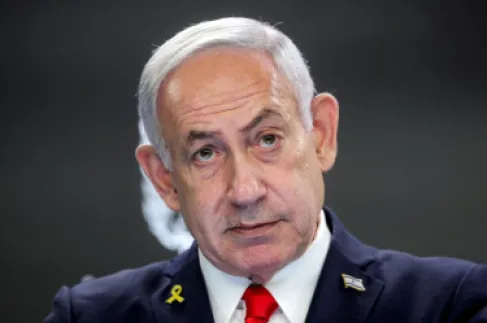
On April 27, Israeli Prime Minister Benjamin Netanyahu urged the United States to reach an agreement that simultaneously deprives Iran of any uranium enrichment and missile development capabilities.
Analysts preempted this by mentioning that this issue was on the agenda of the talks, as well as Iran’s support for what is known as the "Axis of Resistance," which includes armed organizations hostile to Israel, the most prominent of which are Hezbollah in Lebanon, the Islamic Resistance Movement (Hamas), and the Houthis in Yemen.
Iran does not hide its annoyance with "unreasonable" demands from the United States, as well as its complaints about contradictory stances among American officials.
Last month, Iranian Foreign Minister Abbas Araqchi said, "If we continue to hear contradictory positions, this will pose problems" for the talks.
Sanctions
Iran condemns Washington's "hostile" stance after imposing new sanctions on it before several rounds of negotiation.
In this context, last Wednesday, the U.S. Department of State targeted the construction sector on the grounds that some materials are used by Iran in its nuclear, military, and ballistic programs.
Iran's diplomacy sees "these sanctions as raising questions about the seriousness of the Americans on the diplomatic front."
At the end of April, and before the third round of talks, Washington also imposed sanctions on the oil and gas sectors in Iran.
The Military Option
Concurrently with his urgent call to Iranian leaders to reach an agreement, U.S. President Donald Trump threatens to strike Iran if the diplomatic path fails.
On Friday, the Chief of Staff of the Iranian Armed Forces, General Mohammad Bagheri, warned that "any U.S. incursion in the region would meet a fate similar to what it encountered in Vietnam and Afghanistan."
On Tuesday, CNN reported that several U.S. officials said Israel was preparing to strike Iranian nuclear facilities.
Tehran has warned that it would hold Washington responsible for any Israeli attack.
Axios reported last Friday that Steve Witkoff, the U.S. President's envoy, held consultations with Israeli officials before the fifth round of negotiations.
On Saturday, Iranian conservative newspaper Kayhan wrote that "the coordination between Trump and Netanyahu leads to a deadlock in the negotiations."